
Shredding Engineering Since 1982
Since 1982, we have been designing and manufacturing industrial shredders for complex applications. We are not simply machinery suppliers, but technical partners who solve specific problems with customized, robust, and reliable engineering solutions. Our history is rooted in precision mechanics and a deep understanding of materials—expertise that enables us to tackle the most challenging shredding applications, from hazardous waste management to the preparation of secondary raw materials.
Every SatrindTech shredder is the result of a process that begins with analyzing the customer’s needs and concludes with installation and ongoing support. With over 40 years of experience and more than 4,500 machines installed worldwide, our mission is to provide not just a product, but a complete engineering solution that ensures efficiency, operational continuity, and a rapid return on investment.
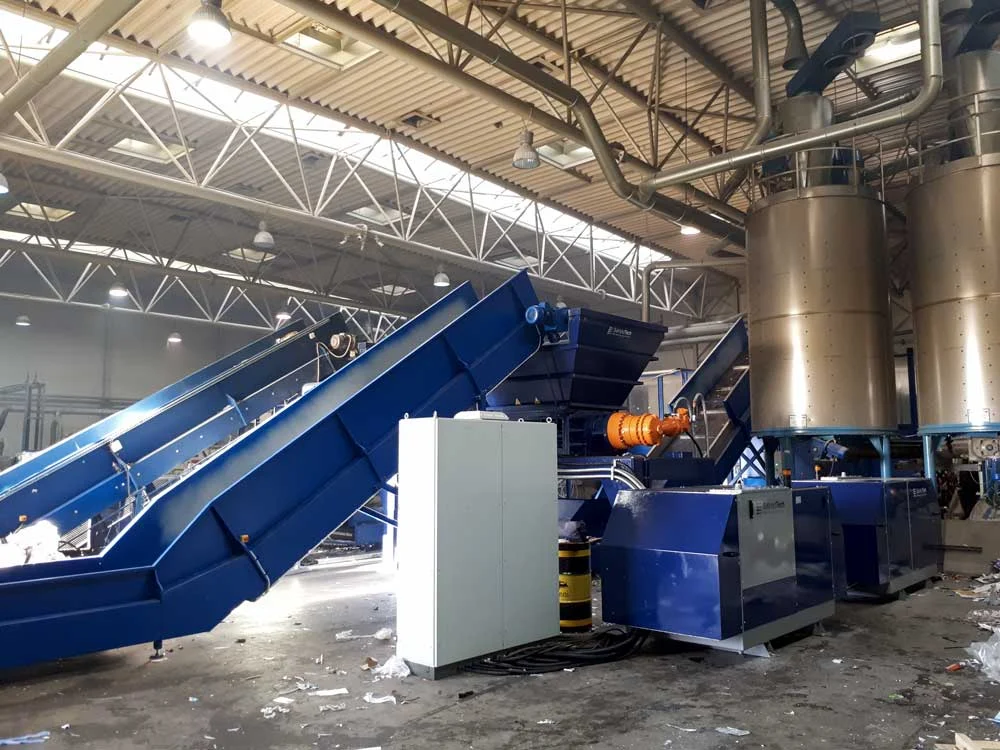
Our values
The principles of shredding engineering
We do not sell standard machines. We design engineering solutions for complex applications. Every choice we make, from material selection to control system configuration, is guided by four fundamental principles that define our approach and the value we deliver to our customers.
Our history
40 years of innovation
SatrindTech was founded in 1982 in Arluno, just outside Milan, at a time when the industrial shredding market was still in its infancy. Over more than forty years, we have built our reputation one project at a time, tackling increasingly complex applications and developing solutions that others were unable to offer. Growth driven not by quantity, but by technical depth.
1982
Satrind is founded, focused on the production of industrial shredders in a then-emerging market.
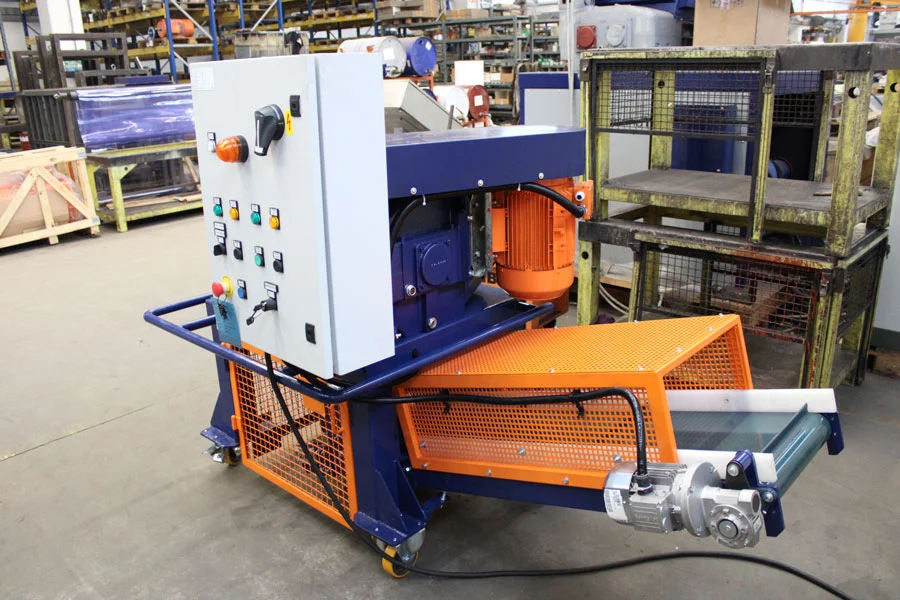
Satrind is born: the first twin-shaft shredders
Satrind was born from the founders’ direct experience in the design and production of industrial shredders, in a market—especially in Italy—that was then in its infancy. The choice was clear from the beginning: specialize in a niche technical sector, build robust and reliable machines, grow with the market without ever abandoning the company’s core business. A vocation that has remained unchanged for over forty years.
The first twin-shaft shredders with electric motors—10 and 15 HP series—were developed and produced entirely in-house at the Cornaredo (Milan) facility. The control system was based on electromechanical control panels, with some process parameters managed by an electronic board: a technical solution that, in its analog version, is still present in our control panels today.
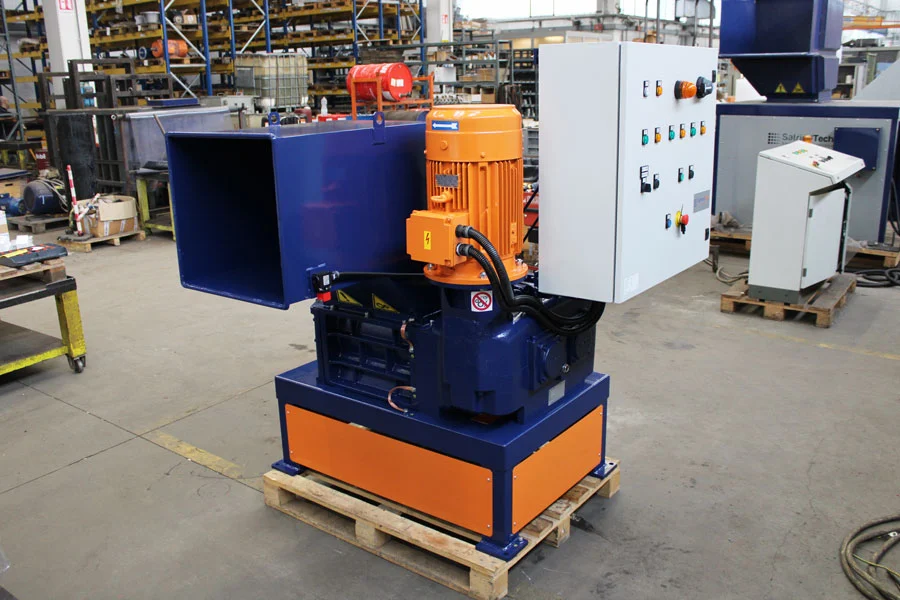
The context: waste becomes a flow to be managed
In the 1980s, the waste sector began to take shape through the first European and national regulatory frameworks, which focused on health protection, environmental protection, and control of treatment activities. Waste gradually began to be considered not only as scrap to be eliminated, but as a flow to be managed according to defined technical and regulatory criteria. For the recycling sector, this was a foundational shift that paved the way for demand for technologies for volume reduction, pre-treatment, and controlled material management. Satrind was already there.
1990s
The company grows and specializes, expanding its range with the first 2- and 4-shaft models and consolidating its presence in the recycling sector.
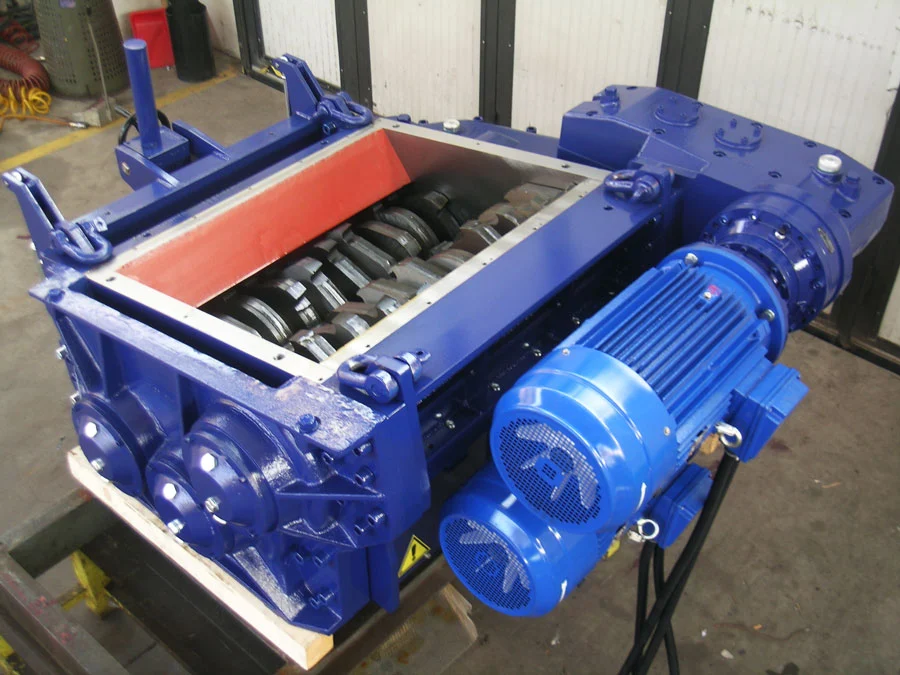
Growth, specialization, and first quality certification
The company grows and specializes, expanding its range with the first 2- and 3-shaft models and consolidating its presence in the recycling sector. The first shredders with 50 HP hydraulic motors are produced. Control panels remain electromechanical, with a dedicated electronic board for managing reversals.
The organizational structure expands: new technicians and operators join, and the founders’ roles evolve from operational to managerial. By the end of the decade, the need for structured reorganization emerges, leading to the introduction of UNI EN ISO 9002:1994 certification—a process that took two years. Since then, quality certification, in all its evolutions, has never left the organization.
In 1996, the first Machinery Directive 89/392/EEC came into force, establishing essential health and safety requirements for the design and construction of machinery in the European Union. Shredders also had to comply: for Satrind, this was a further incentive to invest in technical expertise and structured design processes.
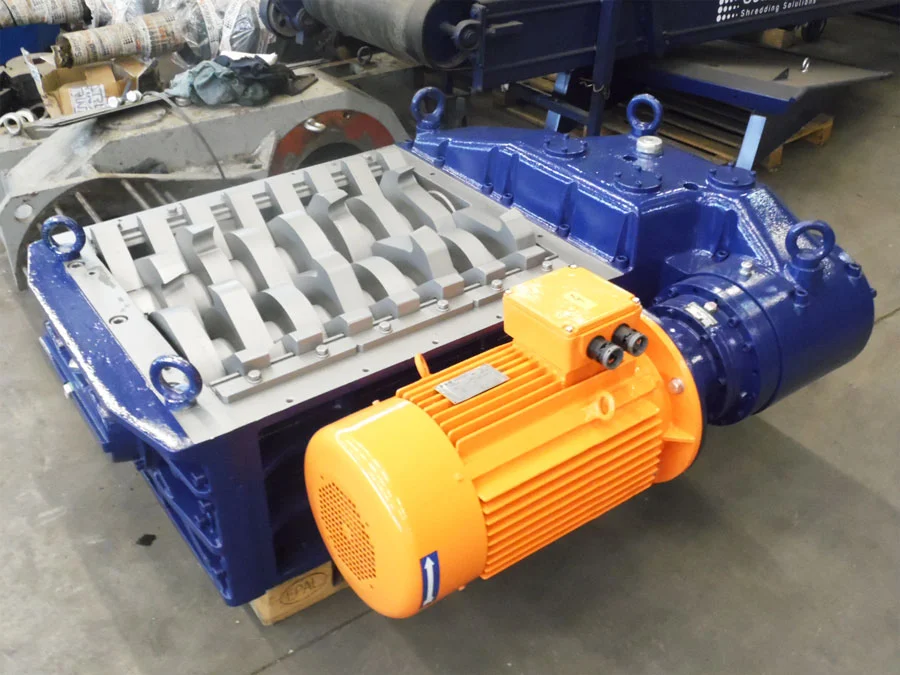
Growth, specialization, and first quality certification
In the 1990s, the European and Italian regulatory framework evolved significantly, accompanying the shift from a logic primarily oriented toward disposal to a more modern vision based on integrated management and waste recovery.
Growing attention to hazardous waste, packaging, and flow traceability redefined the recycling market, which required more reliable plants, more controlled processes, and solutions capable of treating different materials efficiently and in compliance.
2000
It becomes SatrindTech and moves to its new headquarters in Arluno (Milan). Development of increasingly complex solutions begins, such as systems for hazardous waste in controlled atmospheres.
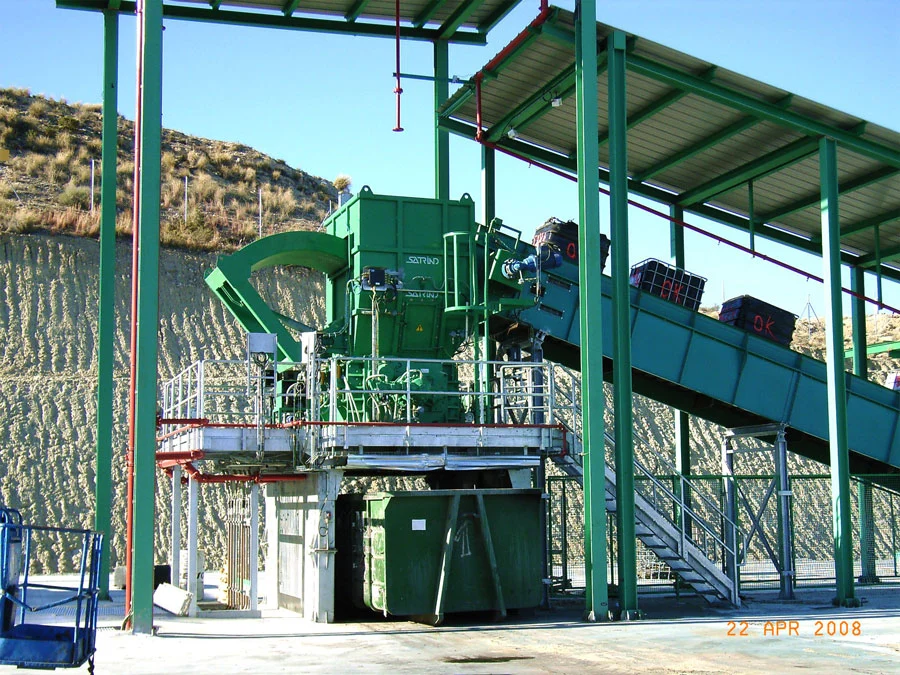
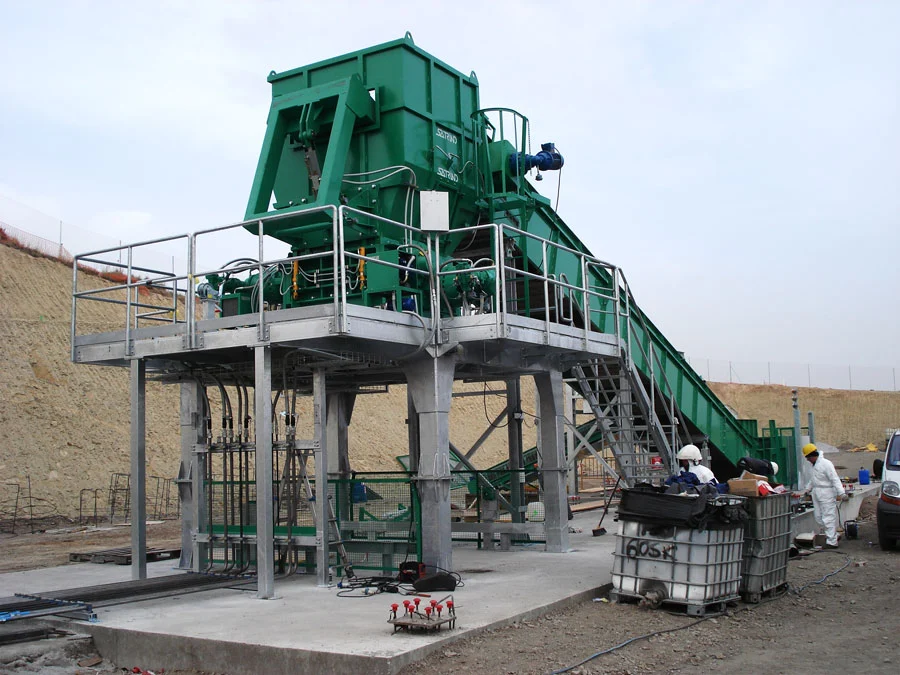
New headquarters, global market, and first complete lines
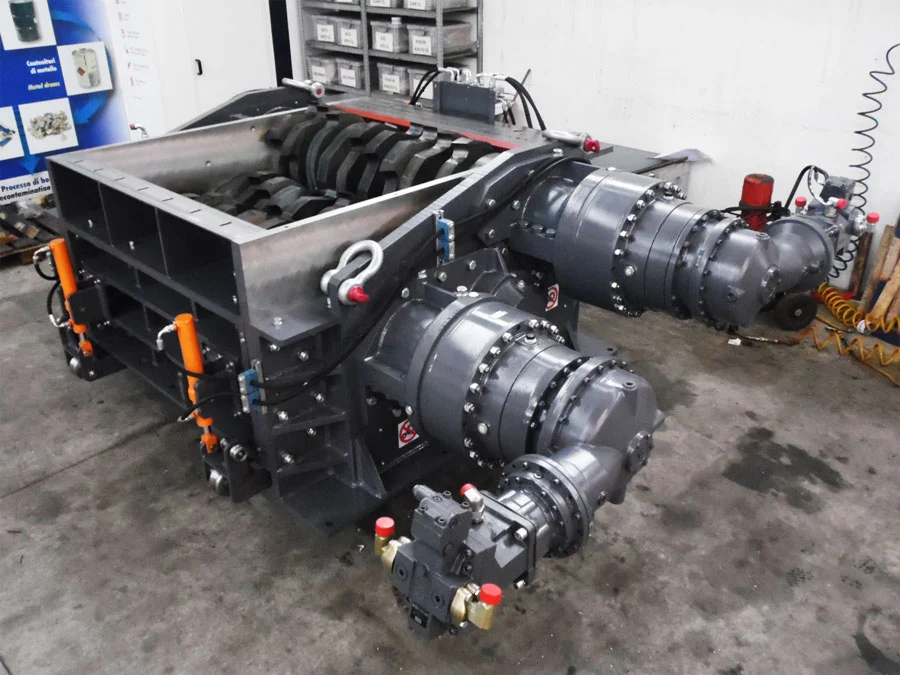
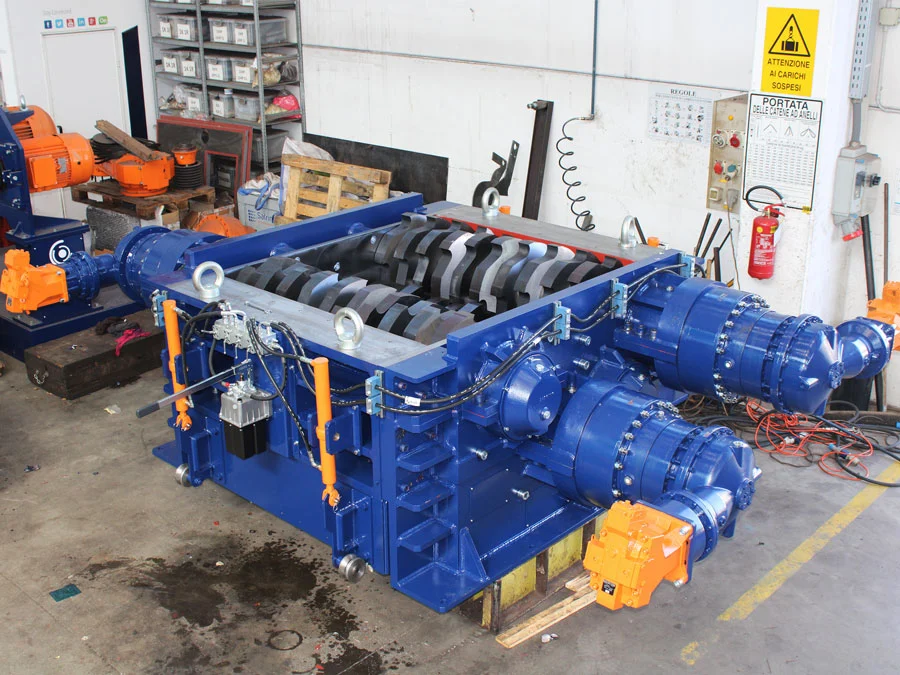
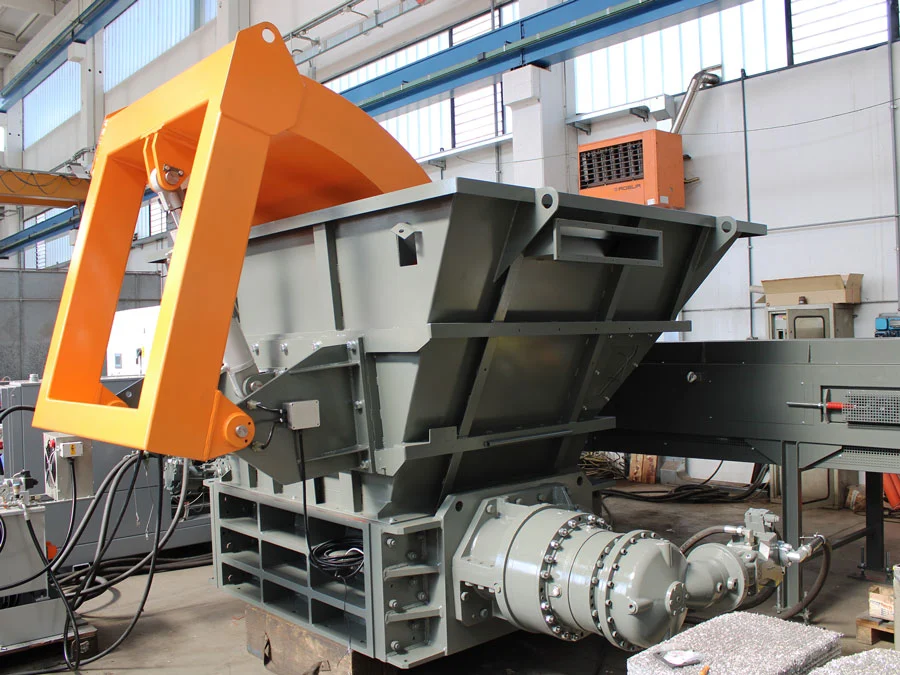
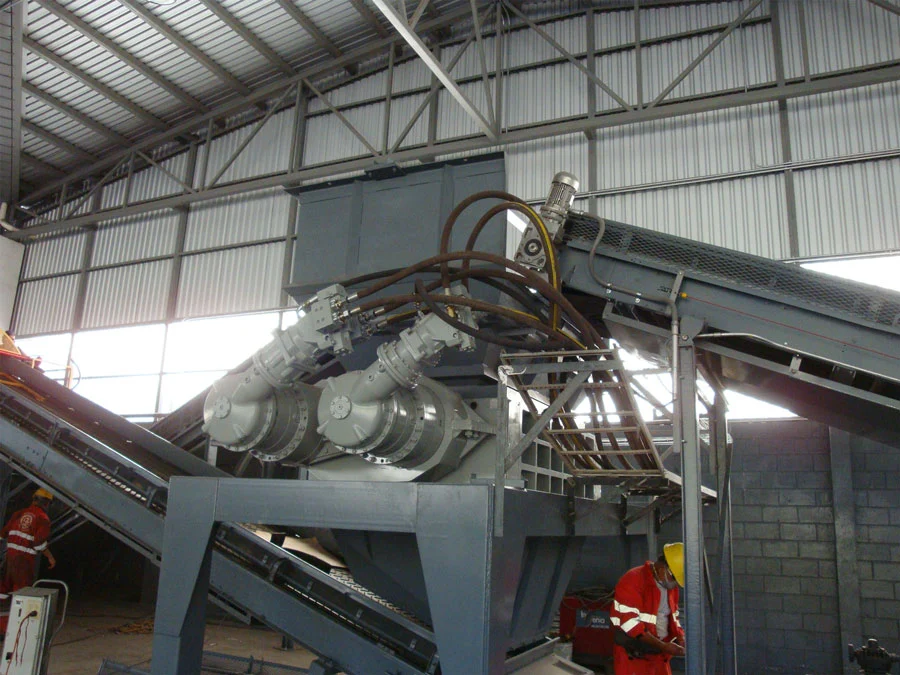
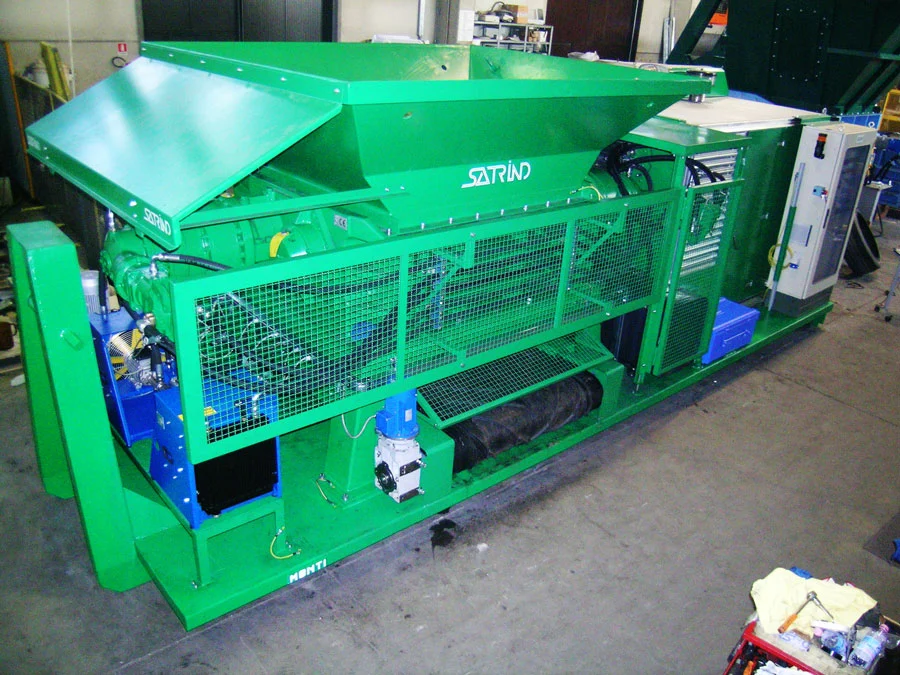
Satrind moved to its new headquarters in Arluno (Milan), driven by production and organizational needs: more space, more employees. The market was no longer just Italian and European: it was now global. The range expanded with shredders of increasing sizes and power—up to 400 HP—and with increasingly complex solutions.
It was in this decade that a fundamental awareness matured: the shredder alone was no longer sufficient to solve the customer’s problem. The first complete shredding lines were born, starting with tire lines and, at the end of the decade, lines for shredding hazardous waste in inert atmospheres. Control panels became digital with the introduction of programmable logic controllers (PLCs).
On the regulatory front, the Machinery Directive 2006/42/EC came into force, imposing high health and safety standards and requiring CE marking, ensuring the free movement of products in the EU. Meanwhile, the introduction of the euro strengthened the single European market—central to the company—but the subprime mortgage crisis at the end of the decade severely impacted the market.
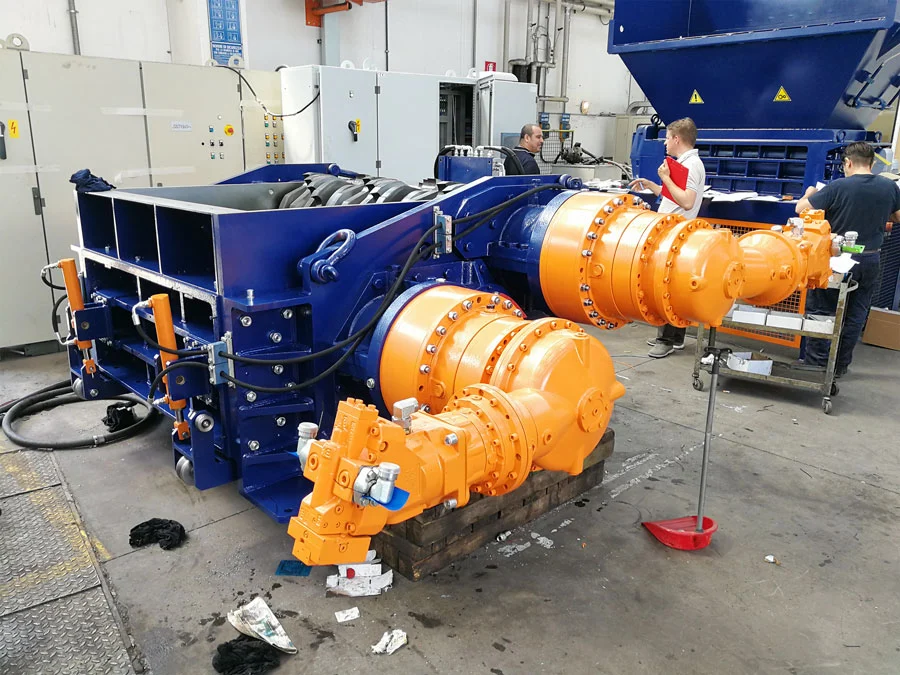
The context: dedicated supply chains and integrated systems
In the 2000s, European regulations accelerated the sector’s transformation, pushing more decisively toward reducing landfill use and material recovery. Specialized management of dedicated supply chains—tires, end-of-life vehicles, WEEE, batteries, special waste—redefined demand: the market no longer asked for individual machines, but complete lines and integrated systems capable of meeting increasingly high requirements for process, safety, regulatory compliance, and valorization of treated material.
2010s
Internationalization strengthens with a network of dealers and distributors in over 40 countries. The range expands with large-capacity shredders and on-board solutions.
SatrindTech: internationalization, 4-shaft range, and Industry 4.0
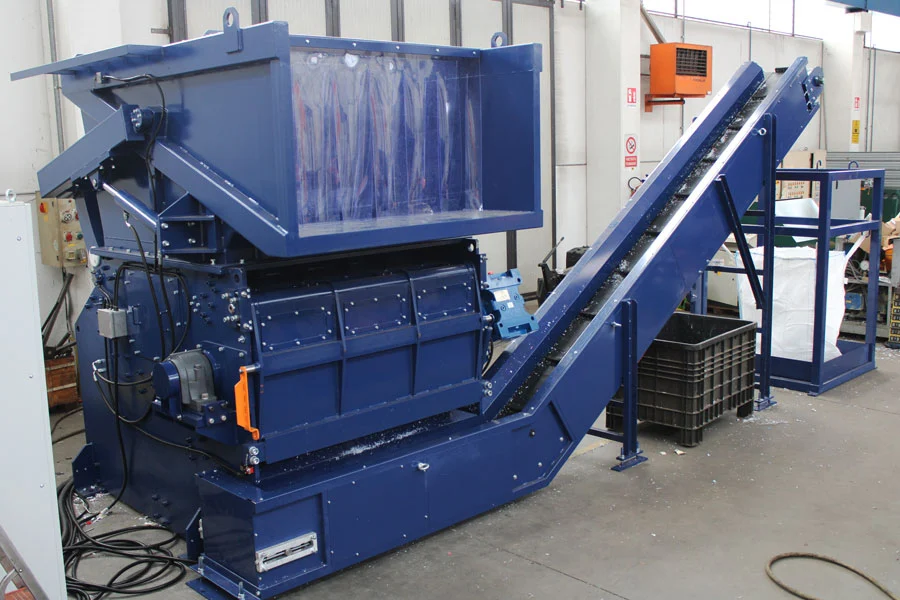
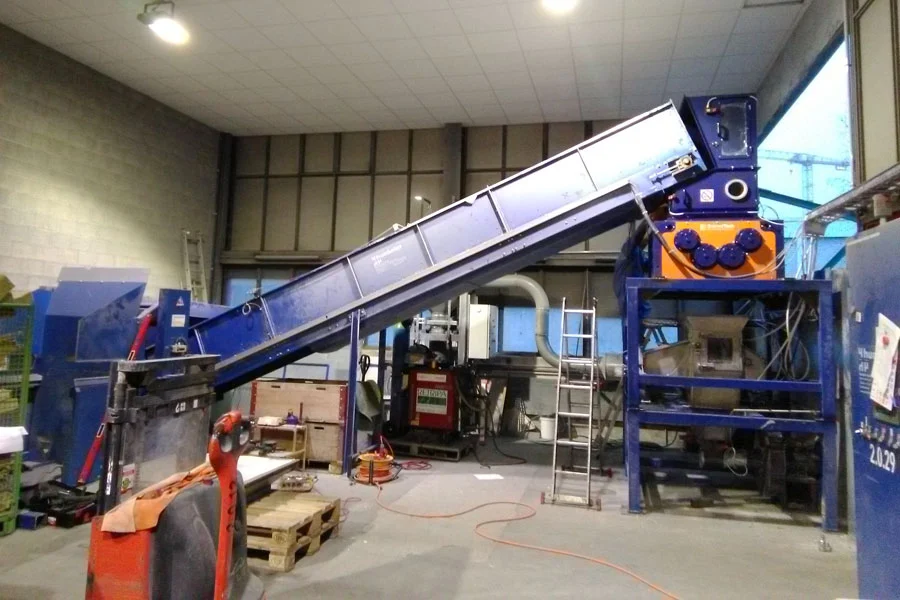
Internationalization strengthens with a network of dealers and distributors in over 40 countries. Satrind becomes SatrindTech. The range expands with large-capacity shredders and on-board solutions compliant with the Marpol 73/78 Convention, the main international treaty for the prevention of marine pollution by ships.
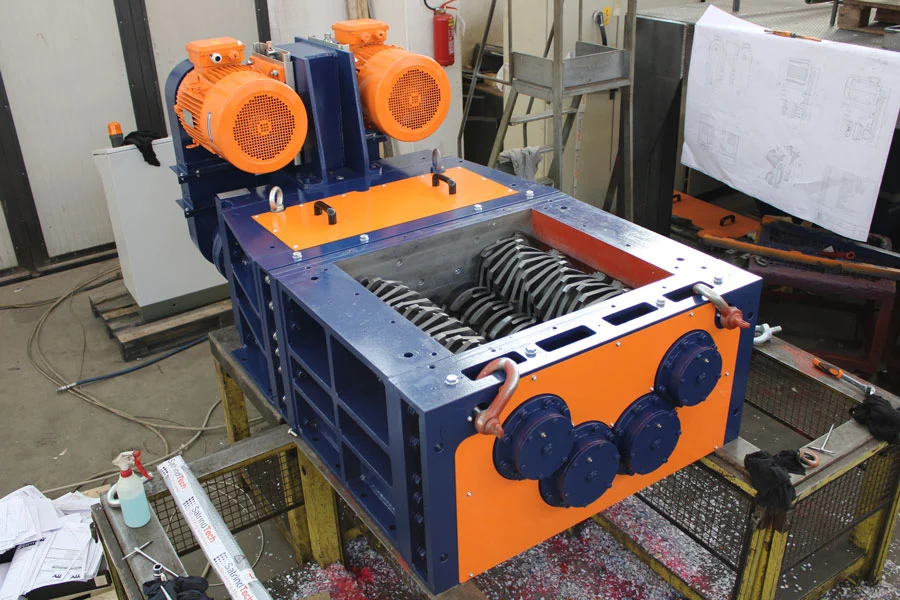
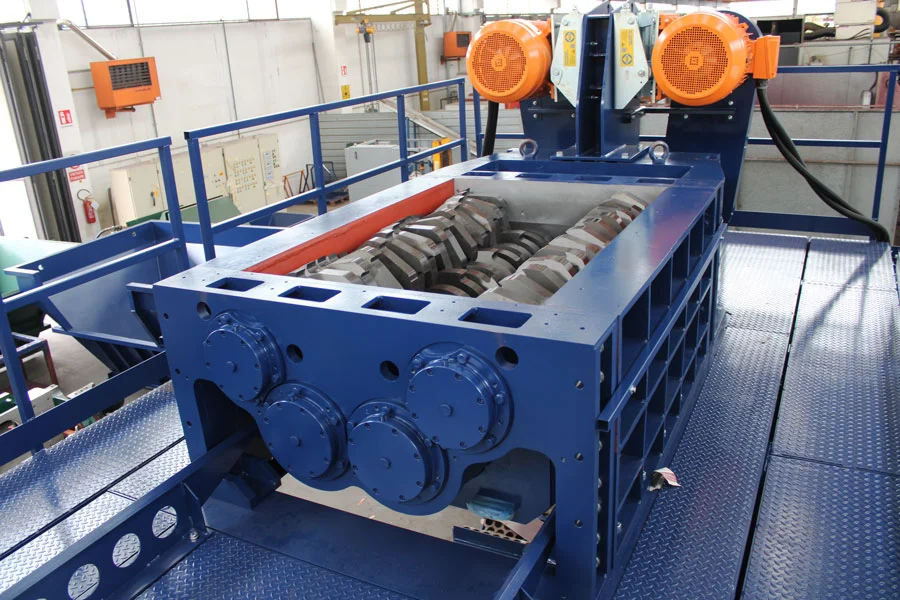
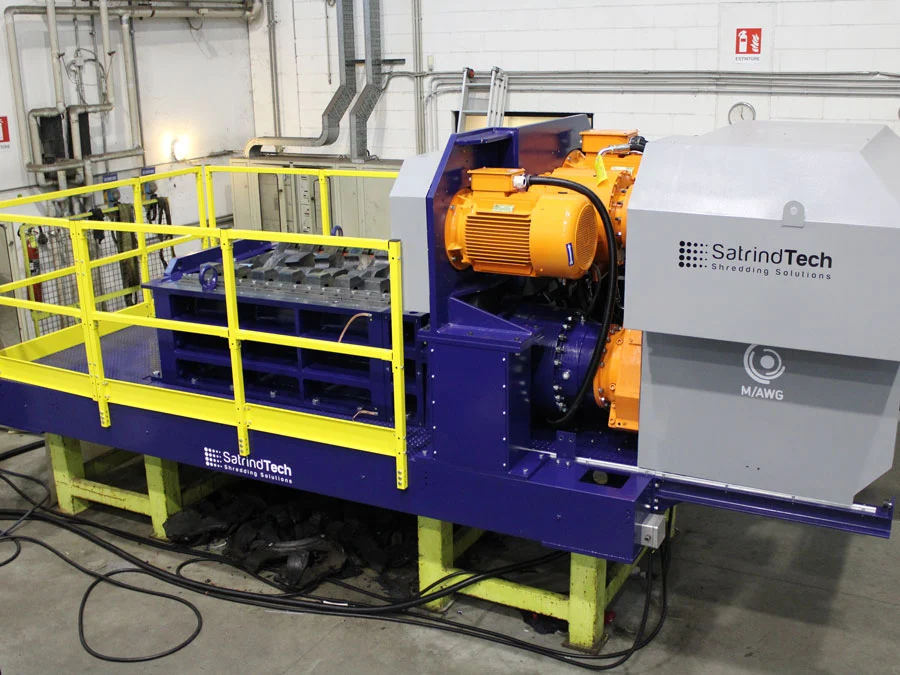
The 4-shaft shredder range is developed—first 60 HP, then 120 HP—equipped with a screen for controlled selection of output material. An innovative automatic gearbox called M/AWG is introduced for electric motors, achieving performance comparable to higher-power hydraulic motors. Digitalization of industrial processes drives the adoption of PLCs as a production standard, definitively replacing analog electronic boards. The Industry 4.0 paradigm becomes an important driver of development for the Italian market.
The context: circular economy and strategic shredding
In the 2010s, the circular economy paradigm further redefined the recycling sector. The raising of European recovery and recycling targets, combined with growing attention to treatment quality, operational continuity, traceability, and reduction of final disposal, made shredding an increasingly strategic phase within plants. For manufacturers, this meant developing more advanced, automated, and customizable technological solutions capable of ensuring high performance and greater valorization of incoming flows.
Today
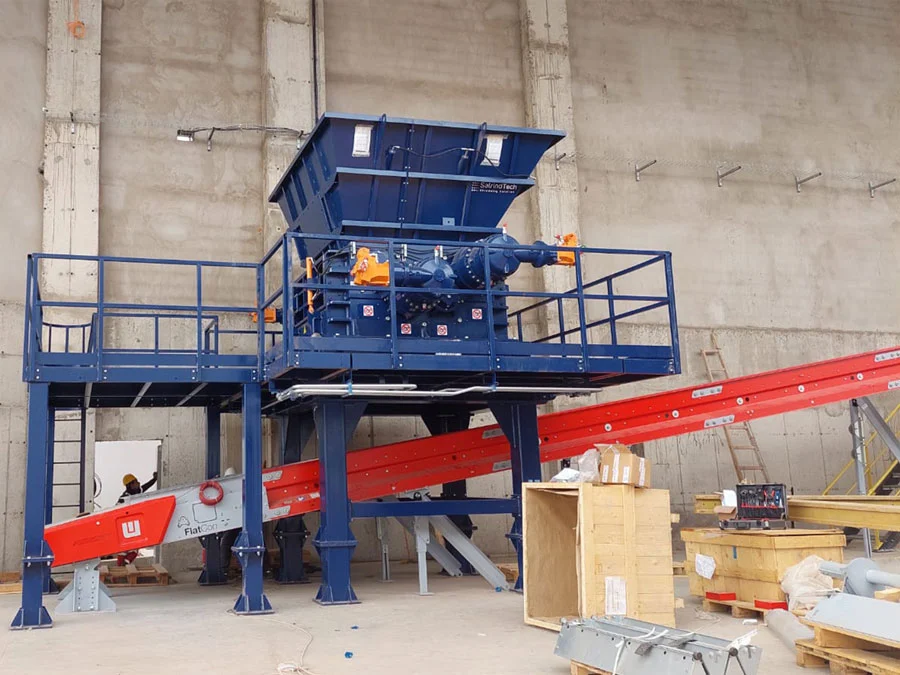
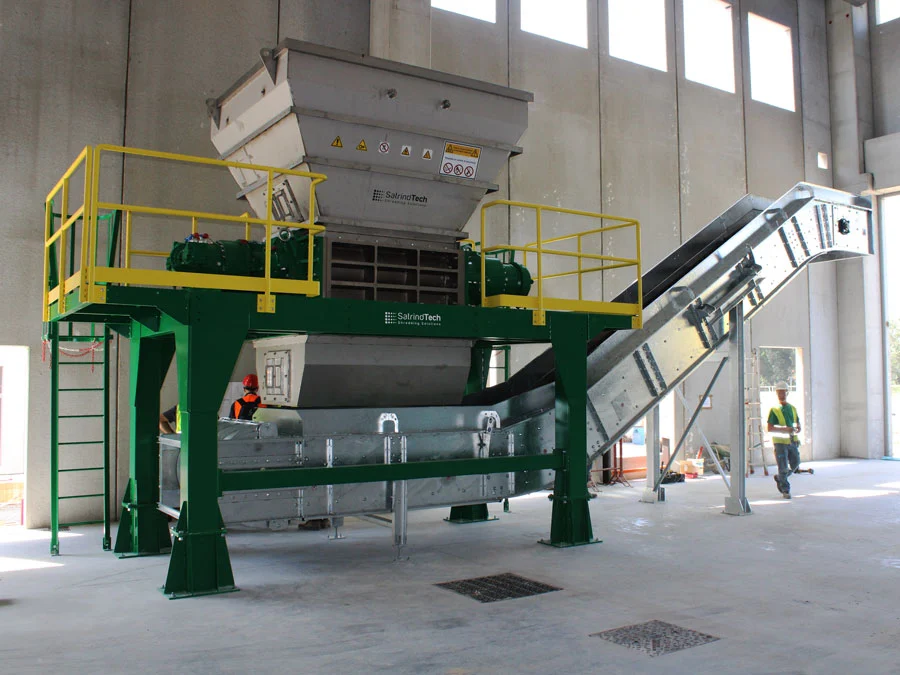
SatrindTech is a reference point in shredding engineering, with a team of specialized technicians who design custom solutions for the most demanding applications, from manufacturing to waste-to-energy.
Shredding engineering for the most demanding applications
SatrindTech is today a reference point in shredding engineering, with a team of specialized technicians who design custom solutions for the most demanding applications, from manufacturing to waste-to-energy.
Customization of shredding lines is now the norm. Lines for hazardous waste, also developed under the ATEX Directive 2014/34/EU—which regulates the marketing of equipment and protective systems intended for use in potentially explosive atmospheres—require demanding engineering and specific expertise that SatrindTech has developed over time.
On the regulatory front, preparations are underway for the new Machinery Regulation 1230/2023, which introduces cybersecurity requirements and requires manufacturers to adopt new systems to ensure the integrity of hardware and software in control systems. At the same time, Transition 5.0 is steering production processes toward high energy efficiency models, in continuity with the path initiated with Industry 4.0.
The context: circularity, safety, and custom engineering
In the current context, the recycling sector is driven by regulations increasingly oriented toward effective circularity, process safety, flow traceability, and proper management of complex or hazardous materials. The growing technical sophistication of applications requires reliable plants, custom-engineered and capable of combining performance, compliance, and control. In this framework, the ability to interpret regulatory evolution has become as essential as mechanical and electronic innovation. This is exactly what we do every day.