
Electronic Waste Shredding
The challenge: processing complex, high-value materials
Electronic waste shredding (RAEE – Rifiuti di Apparecchiature Elettriche ed Elettroniche / WEEE – Waste Electrical and Electronic Equipment) represents one of the most complex applications in the industrial recycling sector.
Hard drives, laptops, computers, electronic boards (PCBs), small appliances, and electronic devices contain:

This heterogeneity makes WEEE shredding a process that requires:
Critical Issues in WEEE Shredding
A non-specialized approach can generate equipment downtime, premature wear, and loss of separation efficiency, because WEEE contains materials with very different densities, hardness levels, and geometries.
Without the correct combination of torque, blade geometry, screen, and feeding logic, there are risks of overloads, non-compliant particle size, and, in the case of hard drives and digital media, data destruction compliance issues.
| Specific Challenge | Consequences of a Non-Specialized Approach |
|---|---|
| Presence of thick steels or high-resistance components | Overloads, machine blockages, and accelerated blade wear |
| Irregular and bulky material | Discontinuous feeding and reduced productivity |
| Need for certified data destruction (hard drives, servers) | Legal risks and regulatory non-compliance |
| Abrasive components (PCBs, metals) | Increased maintenance costs and tool replacement |
| Requirement for controlled particle size for metal separation | Reduced efficiency of downstream equipment |
The SatrindTech solution: Shredding engineering for WEEE
At SatrindTech, we do not simply supply a shredder, but an engineered system for electronic waste shredding, designed according to the material, required productivity, and recovery objectives.
Our shredding technology – developed over 40 years of experience and with more than 4,000 installations worldwide – includes 1 to 4-shaft machines, with high-torque configurations for penetrating the most resistant materials.

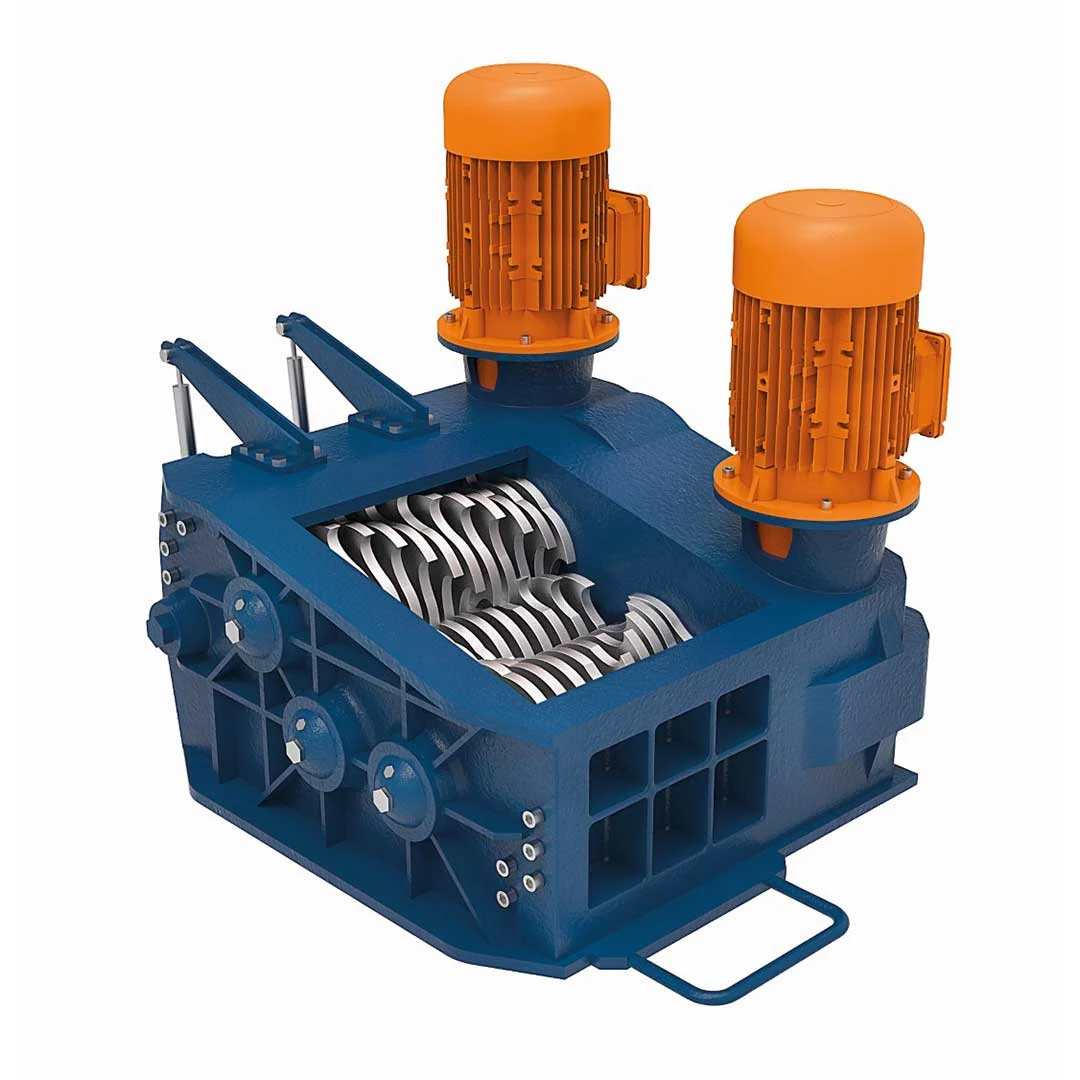
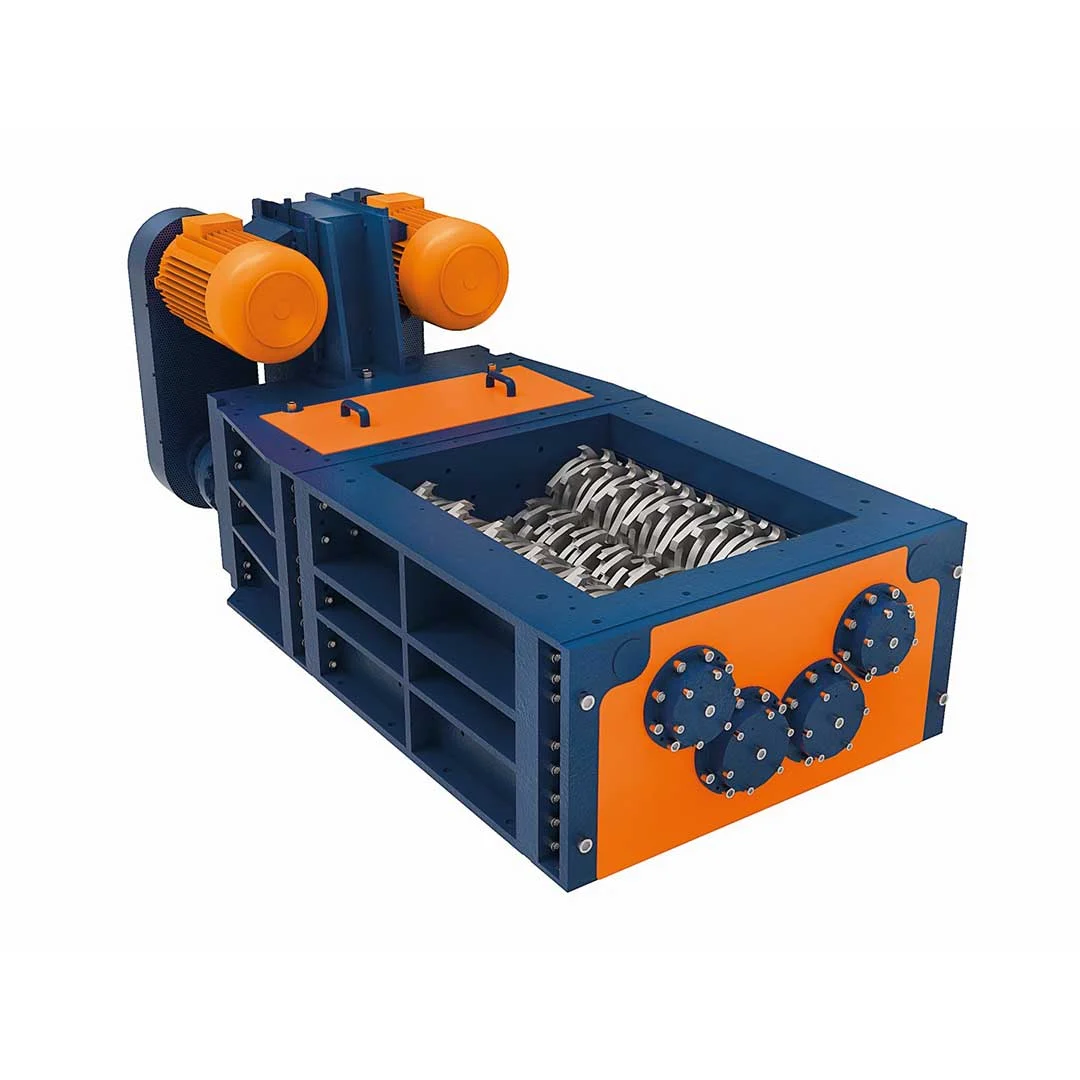
WEEE Shredding Objectives
After shredding, the material can be sent to:
Recommended Configurations for Electronic Waste
Hard drives, laptops, digital media
Recommended model: 3K Series / 2-shaft
Indicative productivity: ≈ 500 kg/h
Final particle size: 30–40 mm
Mixed WEEE, PCB boards
Recommended model: 4S 10/60
Indicative productivity: ≈ 1200 kg/h
Final particle size: 60 mm
Light electronic devices
Recommended model: T 13/75 (2-shaft)
Indicative productivity: Variable
Final particle size: Controlled volume reduction
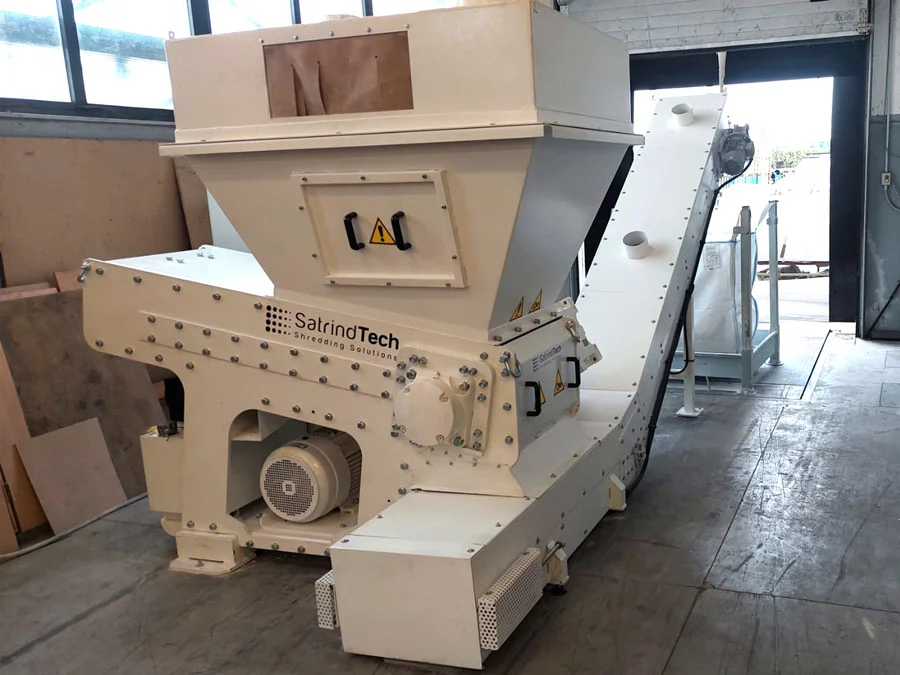

The advantages of the SatrindTech approach
Typical applications
Every electronic waste application is different, both in terms of material composition and productivity and recovery objectives.
For this reason, our approach always starts with analyzing your specific case: the technical team can evaluate incoming flows, perform shredding tests, and define the most suitable configuration, also ensuring proper integration of the shredder with your recycling line.
SatrindTech: shredding engineering for intelligent electronic waste recovery.