
Municipal Solid Waste Shredding
The challenge: managing the complexity of municipal solid waste shredding
The treatment and recovery of municipal solid waste represent a crucial step for the circular economy and for the efficiency of sorting, recovery, and waste-to-energy plants. However, MSW shredding presents significant technical challenges that require a specialized engineering approach. A single stream can contain soft and light fractions, abrasive materials, mixed packaging, organic waste, bulky items, components with elastic behavior, and materials that change radically in density and resistance throughout the day.

Critical Issues in Municipal Solid Waste Shredding
The shredding of municipal solid waste presents critical issues mainly related to the high variability of the incoming material, both in terms of composition and size.
In some contexts, it is necessary to prioritize high-capacity primary volume reduction, while in others, obtaining a more homogeneous particle size becomes fundamental to facilitate subsequent treatment phases.
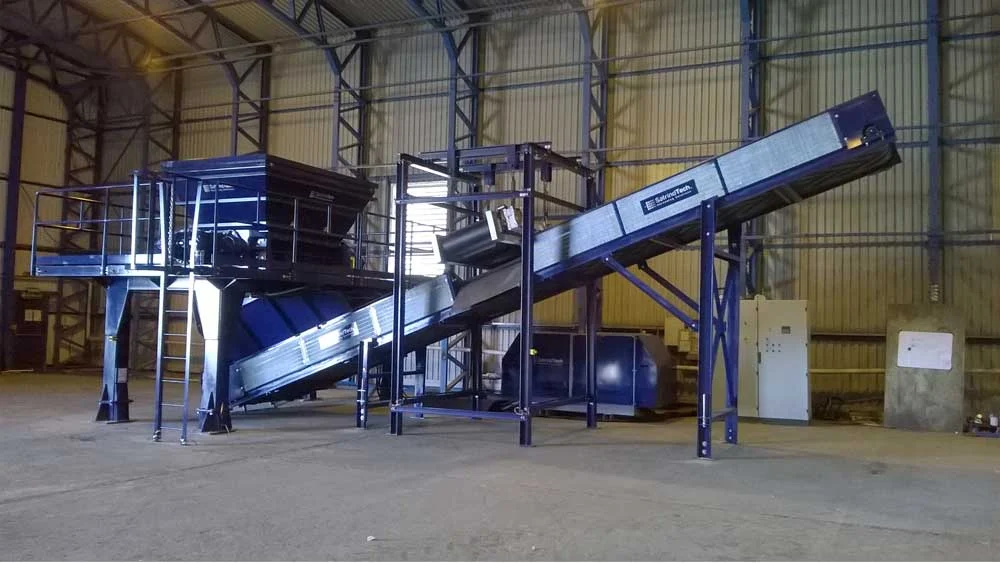
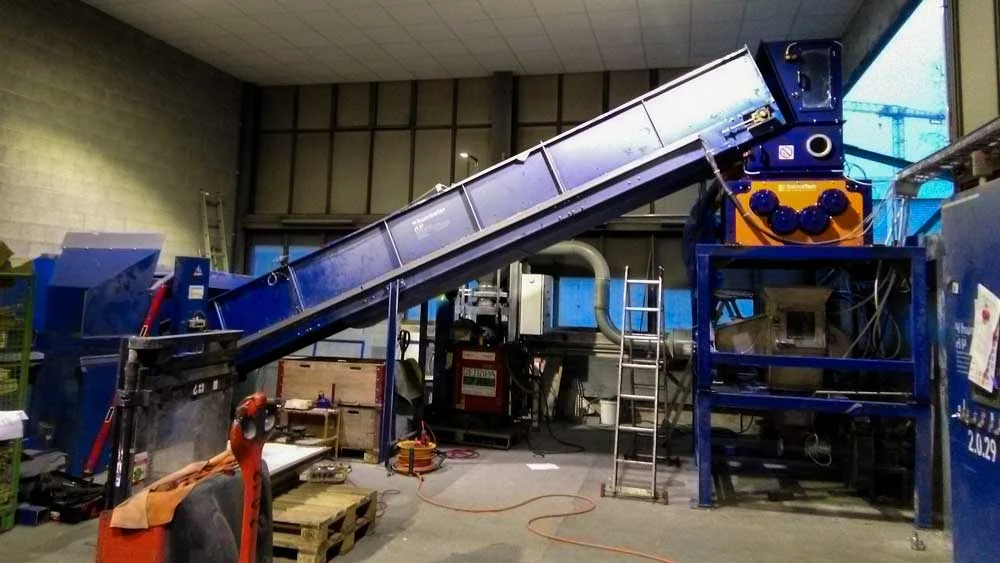
Furthermore, in more complex systems, shredding cannot be considered an isolated activity; it must be efficiently integrated with conveyors, recirculation systems, loading solutions, and plant layouts, ensuring operational continuity, maintenance accessibility, and process regularity.
| Specific Challenge | Consequences of a Non-Specialized Approach |
|---|---|
| Material heterogeneity (unsorted MSW, bulky waste, light components, and dense fractions) | Cutting chamber blockages, unstable productivity, and difficulty in stabilizing the process |
| Presence of soft, elastic, or voluminous fractions | Discontinuous loading, bridging in the hopper, and reduced intake efficiency |
| Need for particle size consistent with sorting, screening, or energy recovery | Material unsuitable for subsequent steps and lower quality of the downstream process |
| High flow rates typical of treatment plants and platforms | Overloads, premature wear, and increased risk of plant downtime |
| Integration with complex layouts and safety regulations | Greater maintenance difficulty, less operational control, and higher plant costs |
The SatrindTech solution: shredding engineering for municipal solid waste
At SatrindTech, we do not provide simple shredders, but shredding engineering solutions. Our approach starts with an in-depth analysis of your specific application. Whether it is unsorted MSW, bulky waste, collection center streams, waste-to-energy materials, or pretreatment platforms, our technical specialists collaborate with you to understand the material composition, required throughput, final particle size, and the shredder’s role in the overall plant layout.
This consultancy process allows us to design a tailored solution, which may include:
Our machines are built to be robust and long-lasting, ensuring reliability and a low total cost of ownership even in the most demanding applications, where MSW composition changes continuously and operational continuity is a key factor in plant profitability.

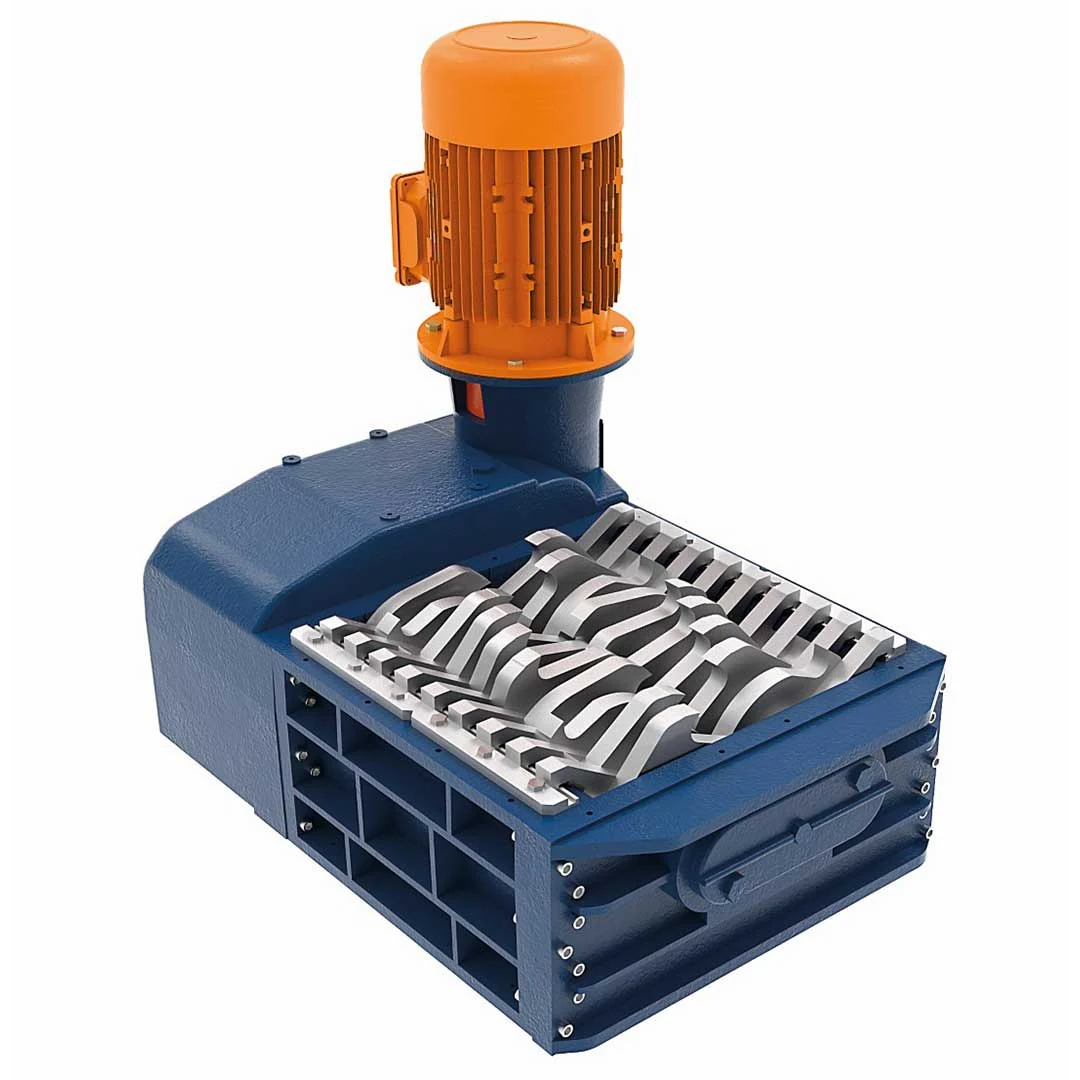
Thanks to over 40 years of experience, we have developed specific configurations for every need. Below are some of the most suitable models for shredding municipal solid waste and bulky waste:


Specific applications and productivity
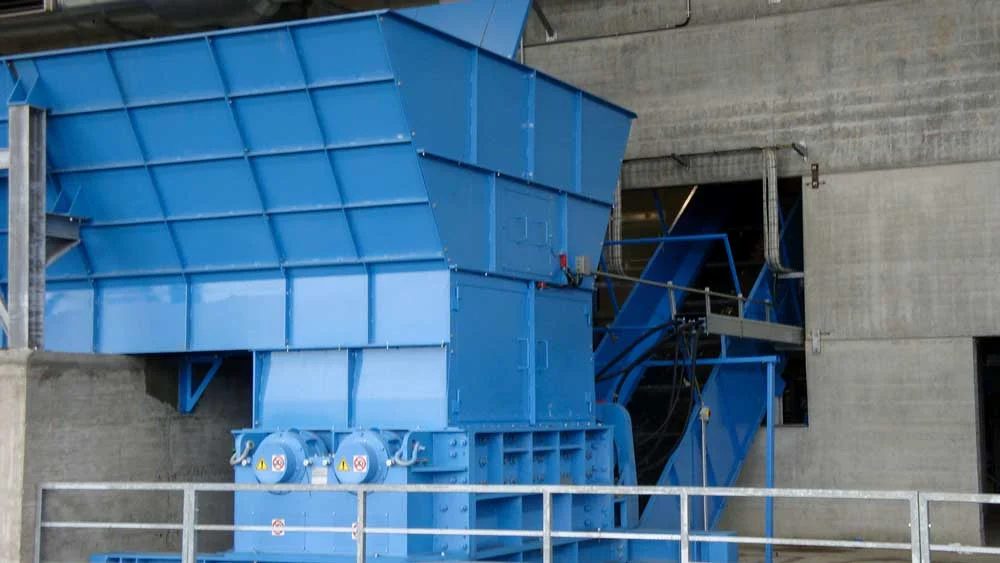
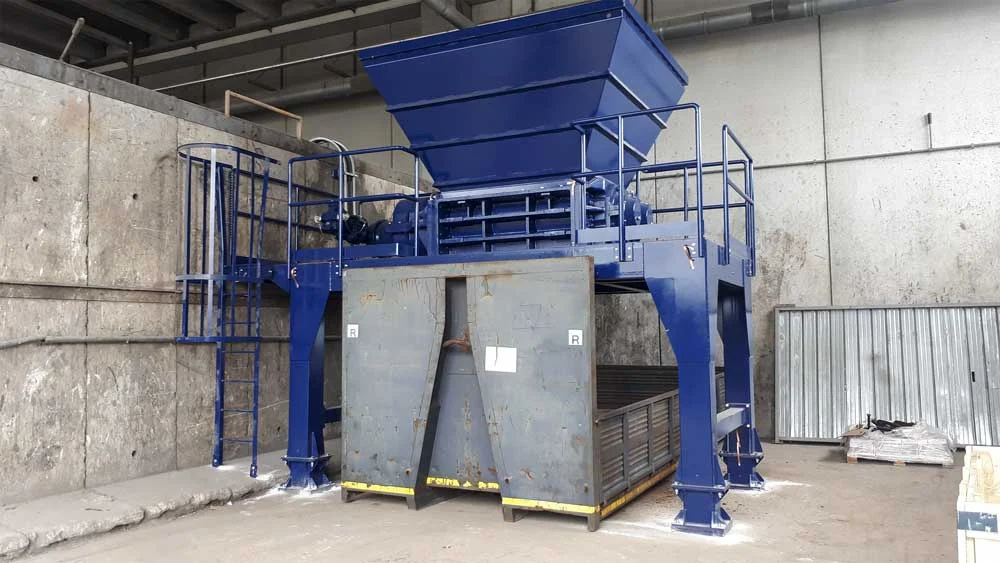
Our solutions for municipal solid waste shredding are designed to meet specific needs in various plant contexts. Thanks to the experience gained in installations dedicated to MSW, bulky waste, and waste-to-energy projects, we are able to configure the most suitable shredder based on the material composition and the role of the process in the line.
Municipal waste with regulated particle size
Recommended model: 1K 28/80-30
Indicative productivity (kg/h): per project
Technical notes: Output compatible with Ø 30 mm screen; suitable for those requiring more uniform material for subsequent steps.
MSW and bulky waste
Recommended model: F 15/150
Indicative productivity (kg/h): per project
Technical notes: Primary volume reduction on irregular and mixed material.
Solid municipal waste
Recommended model: 2R 15/220
Indicative productivity (kg/h): volume reduction
Technical notes: The output is irregular in the absence of a screen and depends on the material, quantity in the chamber, and feeding method.
Municipal Solid Waste
Recommended model: 2R 20/220
Indicative productivity (kg/h): 15,000 – 30,000
Technical notes: High-capacity configuration for MSW; in the same machine, bulky waste is indicated at 6,000–7,000 kg/h.
Bulky waste
Recommended model: 2R 20/220
Indicative productivity (kg/h): 6,000 – 7,000
Technical notes: Robust solution for voluminous and heavy streams, suitable for platforms and recovery centers.
The advantages of the SatrindTech approach
Choosing SatrindTech’s engineering approach for municipal solid waste shredding means obtaining concrete and measurable results:
Contact us to speak with one of our specialists. We will analyze your needs to design the tailored shredding engineering solution for you, whether you need to treat unsorted MSW, bulky waste, or streams destined for sorting, energy recovery, and further recycling processes.