
Industrial Waste Shredding
The challenge: managing the complexity of industrial waste shredding
The treatment and recovery of industrial waste represent a crucial step for the circular economy and the efficiency of environmental and production processes. However, industrial waste shredding presents significant technical challenges that require a specialized engineering approach. This definition identifies very diverse materials: production scraps, mixed waste, packaging, heterogeneous plastic and wood materials, film, paper, bulky waste, light fractions, and waste from multi-purpose platforms.

Critical issues in industrial waste shredding
The shredding of industrial waste is made complex by the extreme heterogeneity of the materials to be treated, which can vary in size, density, composition, and mechanical behavior.
This variety directly affects productivity, process continuity, and the choice of the most suitable configuration. In many cases, the critical issue concerns not only volume reduction but also the ability to manage mixed and non-homogeneous materials without compromising reliability, yield, and feeding regularity.
To achieve an efficient process, it is therefore necessary to carefully evaluate required flow rates, type of waste, and the desired level of reduction.
| Specific Challenge | Consequences of a Non-Specialized Approach |
|---|---|
| Heterogeneity of industrial material | Machine blockages, low productivity, and difficulty in stabilizing the process |
| Presence of packaging, wood, plastic, film, or light fractions in the same flow | Poor gripping regularity and inconsistent quality of shredded material |
| Need for sizing consistent with sorting or logistics | Material unsuitable for subsequent steps and high handling costs |
| High flow rates typical of platforms and third-party plants | Overloads, premature wear, and reduced reliability |
| Safety and emission control requirements in complex plants | Operational risks, downtime, and higher management costs |
The SatrindTech solution: shredding engineering for industrial waste
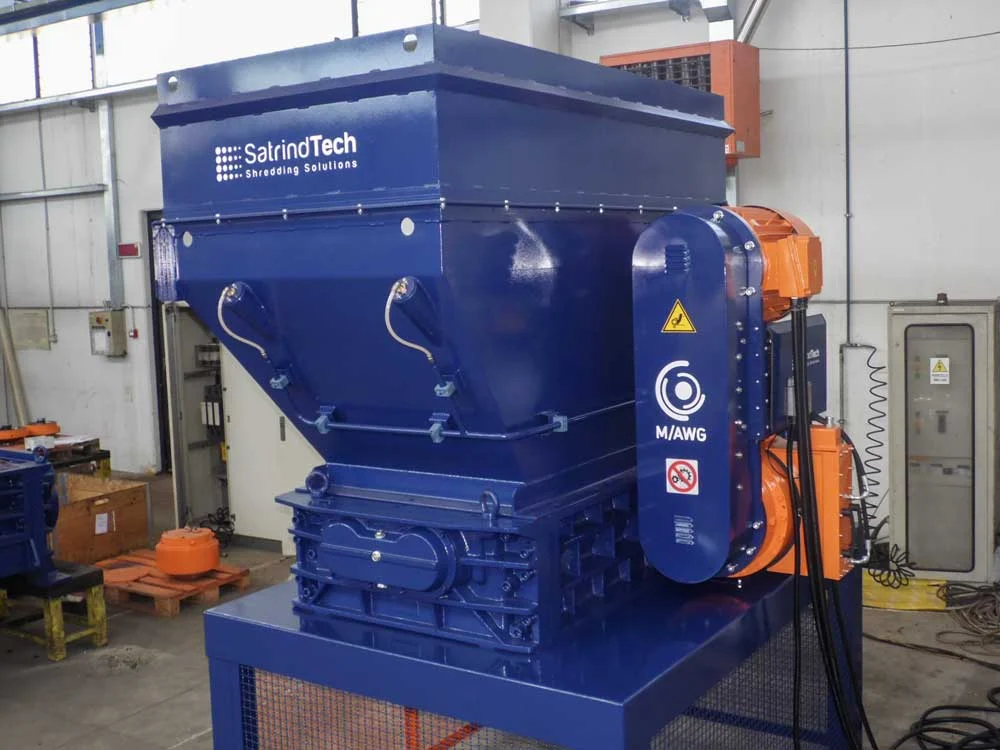
At SatrindTech, we do not provide simple shredders, but shredding engineering solutions. Our approach starts with an in-depth analysis of your specific application. Whether it is non-hazardous industrial waste, mixed production scraps, packaging, fractions from multi-purpose platforms, or heterogeneous materials, our technical specialists collaborate with you to understand flow composition, hourly flow rate, loading methods, and output goals.
This consultancy process allows us to design a tailored solution, which may include:
Our machines are built to be robust and long-lasting, ensuring reliability and a low total cost of ownership even in the most demanding applications, where waste variability is the true critical design factor.

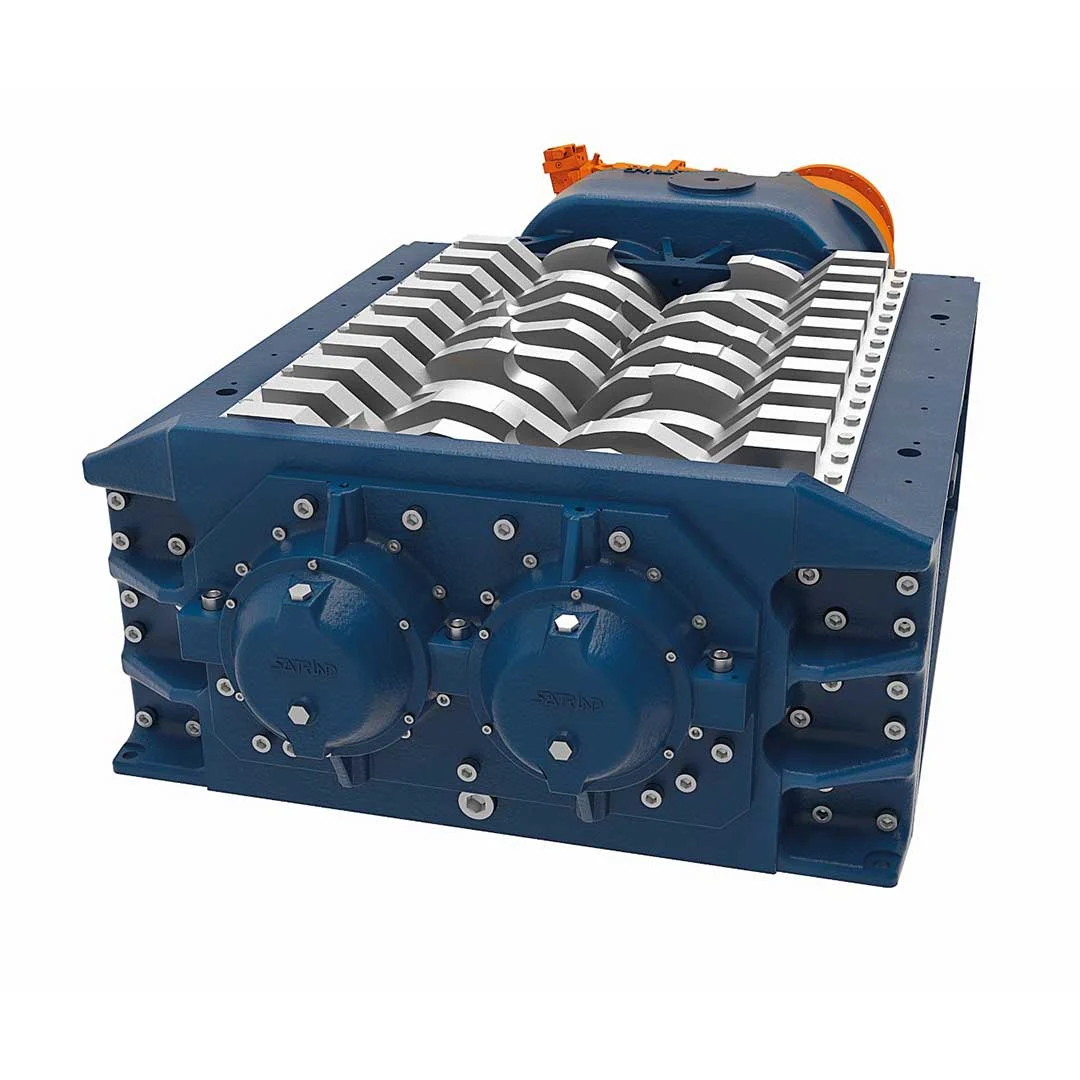
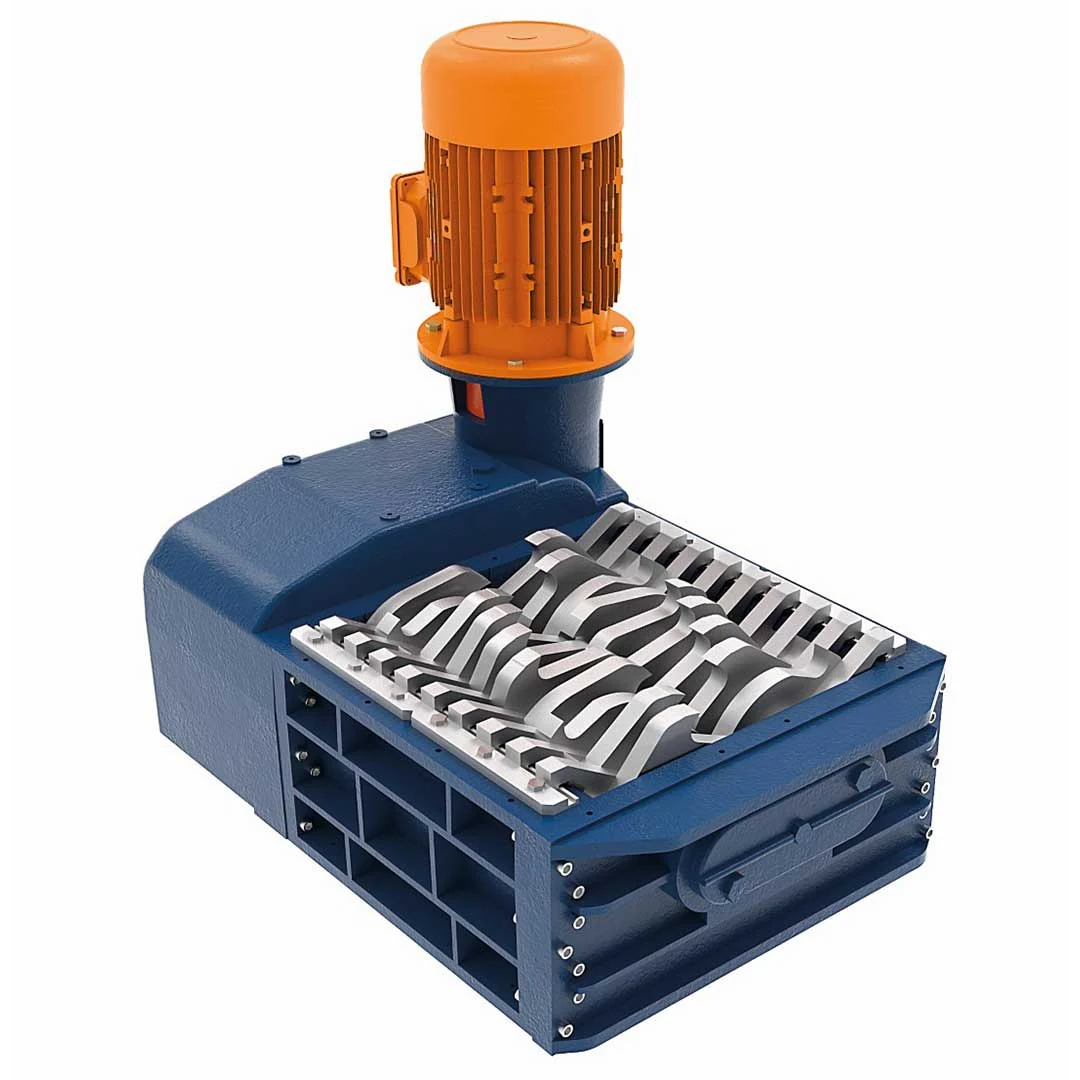
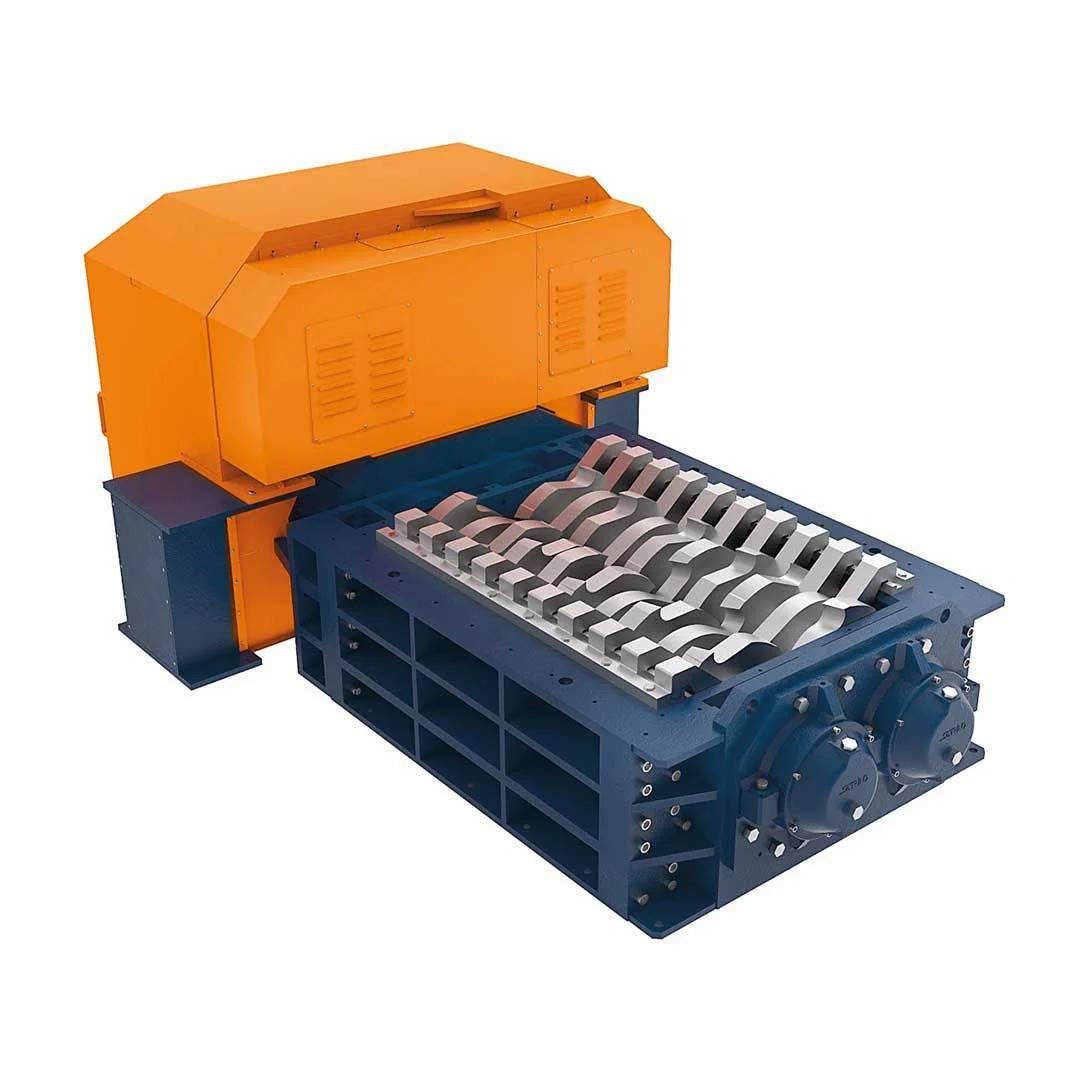
Thanks to over 40 years of experience, we have developed specific configurations for every need. Below are some of the most suitable models for industrial waste shredding:

Specific applications and productivity
Mixed industrial waste
Recommended model: 2R 20/150/SD
Indicative productivity (kg/h): 4,000 – 6,000
Technical notes: Volume reduction for heterogeneous materials, with dedicated line configurations.
General industrial waste
Recommended model: F 20/150
Indicative productivity (kg/h): per project
Technical notes: Solution suitable for plants seeking robustness and a compact layout.
Heterogeneous industrial waste
Recommended model: K 15/150
Indicative productivity (kg/h): per project
Technical notes: Good gripping aggressiveness for irregular materials.
Industrial scraps / waste
Recommended model: 2R 20/300
Indicative productivity (kg/h): 7,000 – 12,000
Technical notes: Flow rate based on the physical nature of the material and the feeding method.
Mixed plastics and wood in industrial settings
Recommended model: 2R 20/300
Indicative productivity (kg/h): 8,000 – 12,000
Technical notes: Example of high-flow industrial application on mixed material.


The advantages of the SatrindTech approach
Choosing SatrindTech’s engineering approach for industrial waste shredding means achieving concrete and measurable results:
Contact us to speak with one of our specialists. We will analyze your needs to design the tailored shredding engineering solution for you, whether you need to treat mixed industrial waste, production scraps, heterogeneous materials, or flows from multi-purpose platforms.