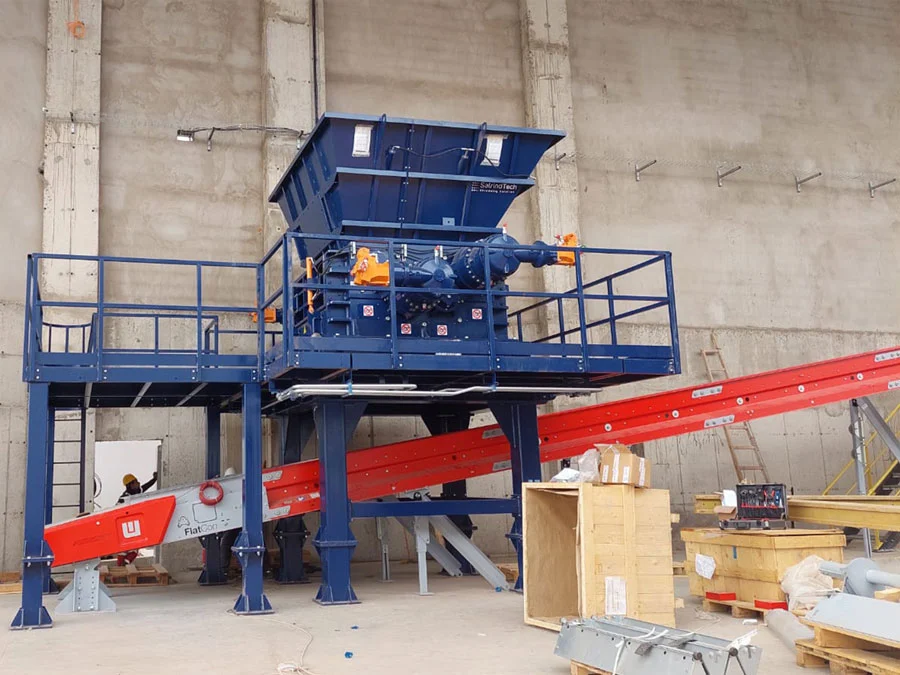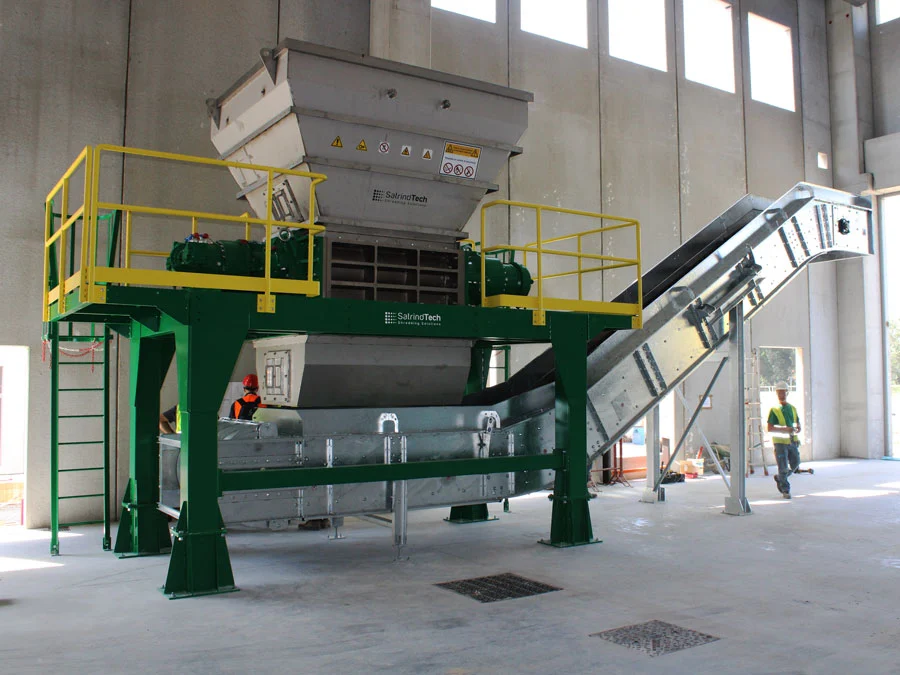
Hazardous Waste Shredding
The challenge: managing hazardous waste safely
The shredding of hazardous waste represents one of the most critical applications in the environmental and industrial management sector. These materials can be flammable, toxic, contaminated, or potentially explosive, requiring an advanced technical approach and systems designed to ensure maximum operational safety.
200-liter metal drums, contaminated containers, chemical waste, healthcare waste, and industrial materials classified as hazardous: every application requires a specific solution based on regulations, required throughput, and operating conditions.

Critical Issues in Hazardous Waste Shredding
A non-specialized approach can generate immediate risk conditions (ignition, overheating, sparks) when treating flammable or potentially explosive materials, especially in the presence of chemical residues or contaminants.
Furthermore, metal drums and structurally resistant containers can cause overloads, machine jams, and accelerated wear, resulting in plant downtime and operational continuity issues.
Finally, without a design focused on procedures and environmental requirements, there is a risk of regulatory non-compliance, release of harmful substances, and failure to meet non-recognizability standards for the treated material.
| Specific Challenge | Consequences of a Non-Specialized Approach |
|---|---|
| Flammable or potentially explosive materials | Risk of fire/explosion, damage to plant and operators |
| Presence of chemical residues or contaminants | Release of harmful substances and regulatory non-compliance |
| Metal drums or structurally resistant containers | Overloads, machine jams, accelerated wear |
| Need for material non-recognizability | Legal risks and failure to comply with disposal procedures |
| Stringent environmental requirements | Sanctions and negative environmental impact |
The SatrindTech solution: Engineering for safe shredding
SatrindTech develops industrial shredding systems designed for the treatment of hazardous and industrial waste, with configurations from 1 to 4 shafts with high torque, designed to ensure controlled material penetration and safe volume reduction.
Our solutions can include inerting systems, emissions control, temperature monitoring, reinforced structures, and components suitable for ATEX or explosion-risk environments, depending on specific plant requirements.


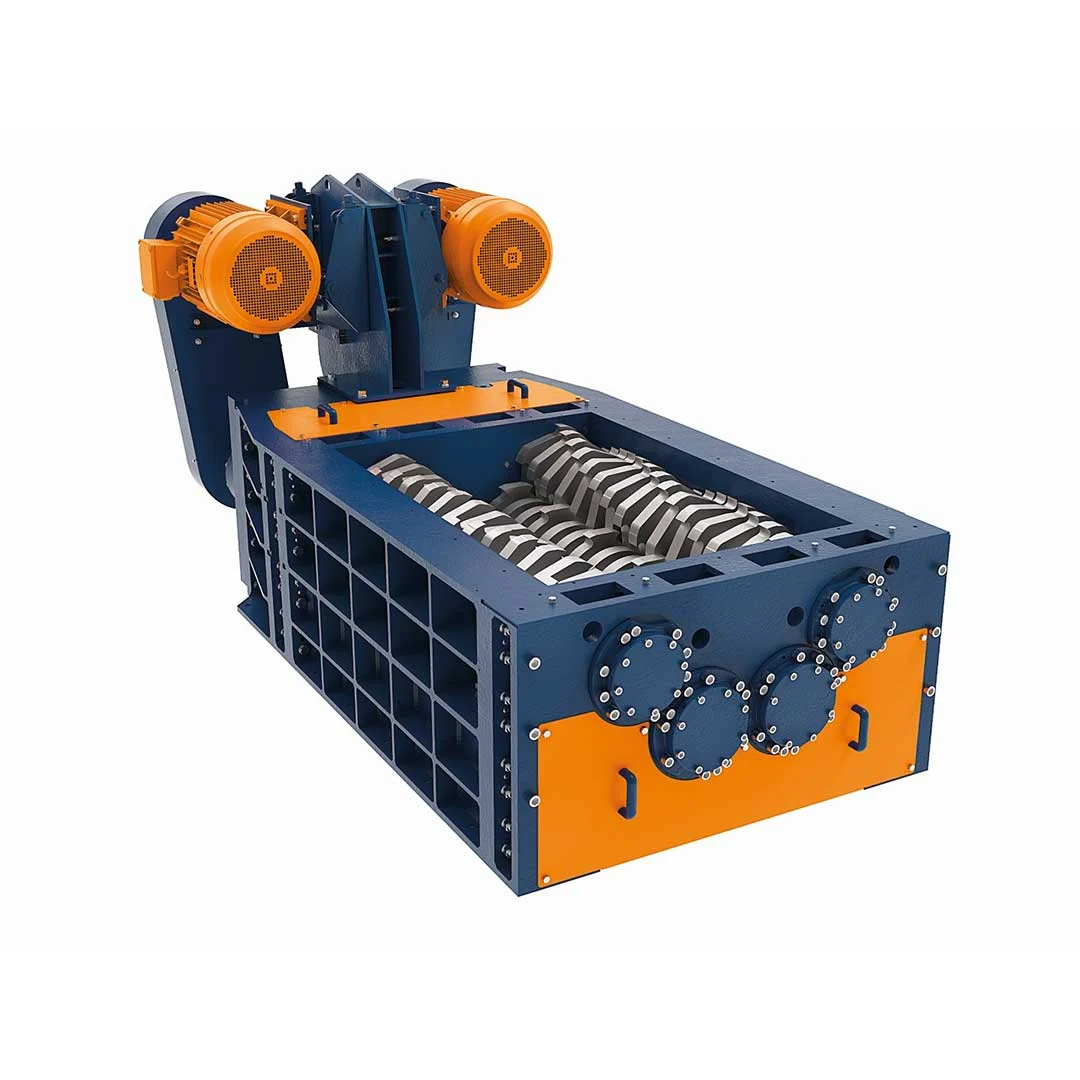
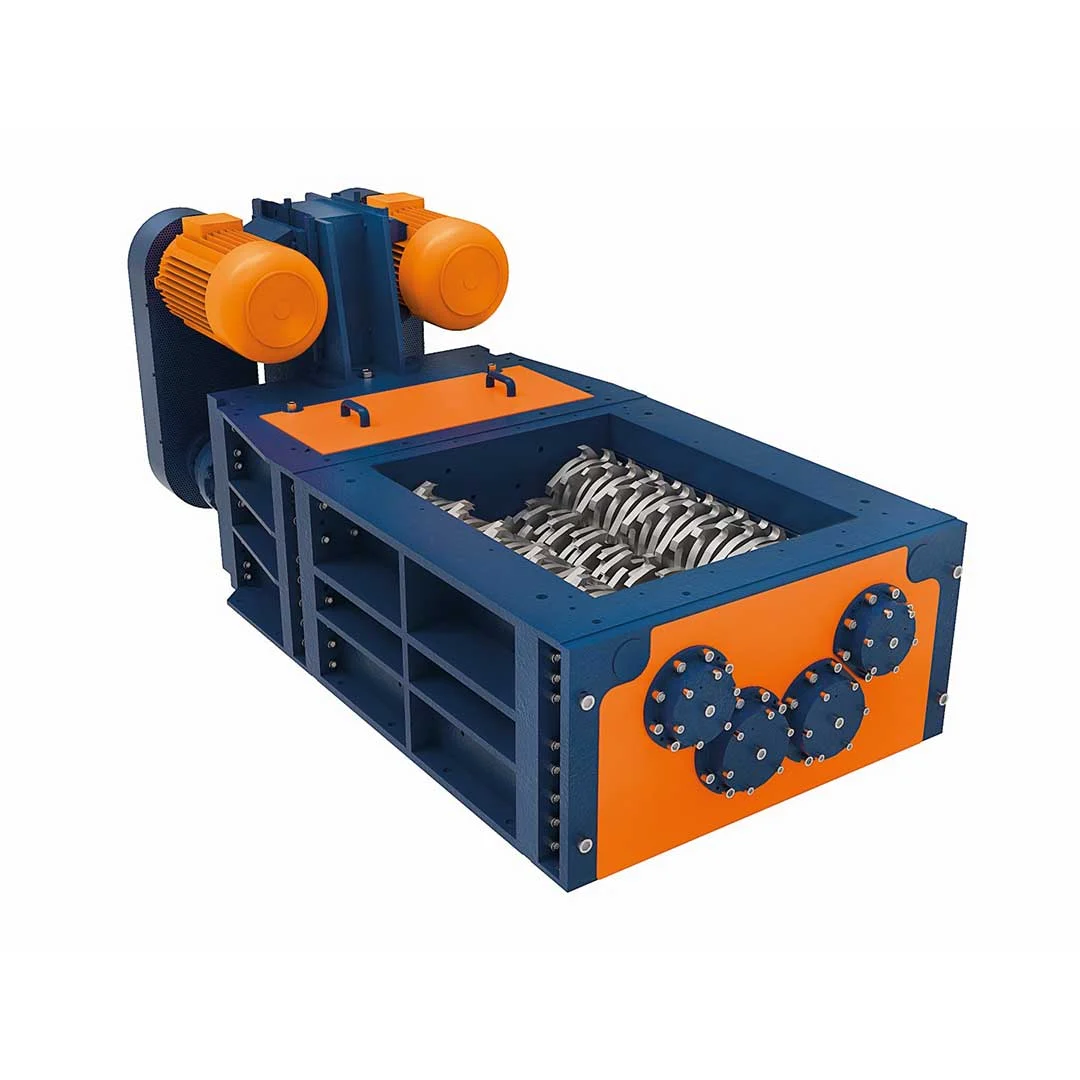
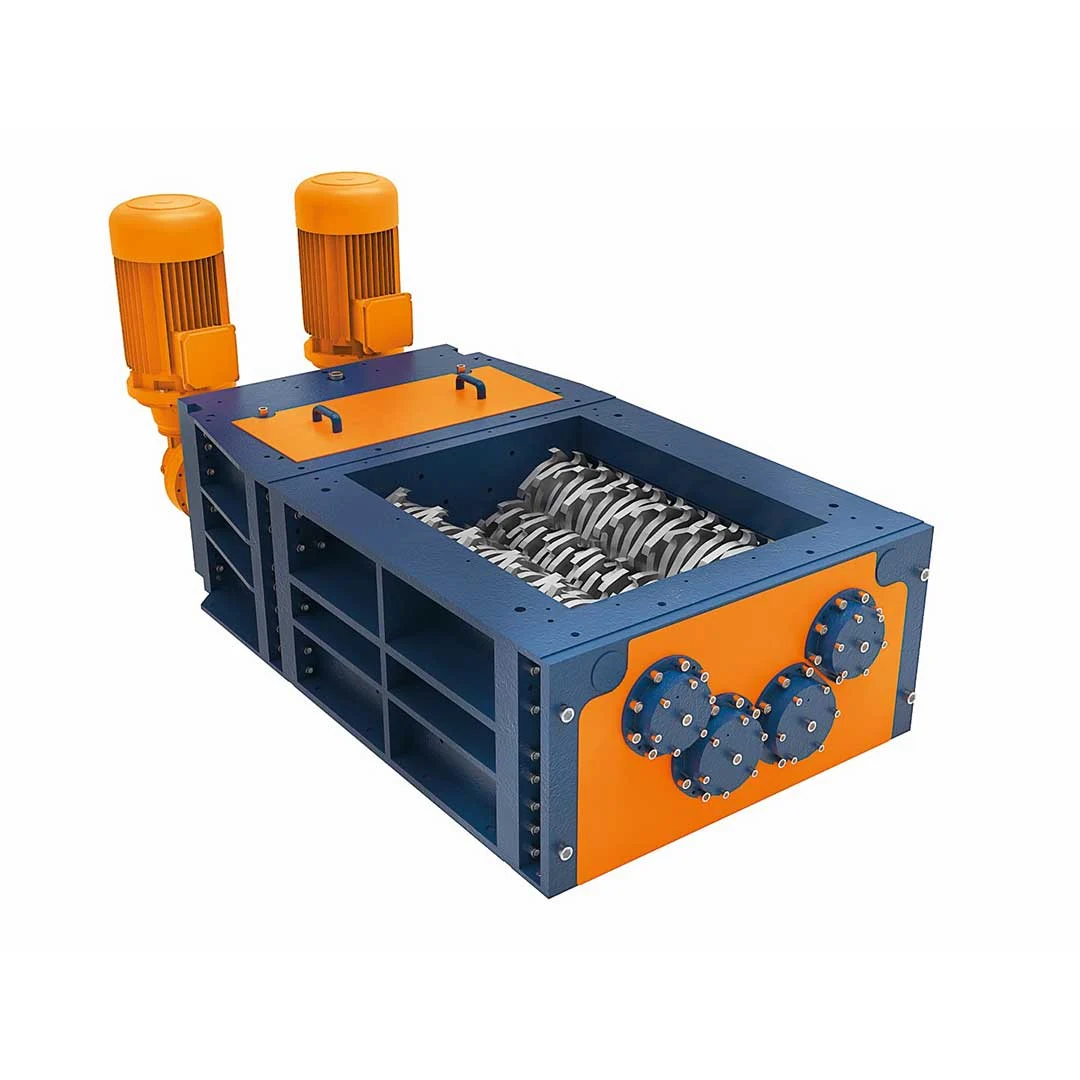
Recommended Configurations
200L metal drums
Recommended model: 3K 13/80
Estimated productivity: Variable based on project
Final size: 80–120 mm
Hazardous industrial waste
Recommended model: 2R 15/220 – 2R 15/300
Estimated productivity: Up to 40 t/h
Final size: Volume reduction
Packaged chemical waste
Recommended model: 4S Series
Estimated productivity: Upon request
Final size: Controlled size