
Plastic and Rubber Shredding
The challenge: managing the complexity of plastic and rubber shredding
The treatment and recovery of plastic and rubber waste represent a crucial step for the circular economy and industrial process efficiency. However, shredding these materials presents very different technical challenges: PET bottles and cans with residual liquids, HDPE IBCs and drums, production waste, films, sprues, tanks, mixed plastics, and fiberglass-reinforced materials require very different solutions in terms of torque, cutting chamber, feeding, and final particle size.

Critical issues in plastic and rubber shredding
The shredding of plastic and rubber presents very different criticalities depending on the shape, composition, and behavior of the material during processing. Some waste can be voluminous, elastic, or difficult to grip, making continuous machine feeding complex.
In other cases, the presence of technical, reinforced, or particularly resistant materials increases component wear and requires an appropriate configuration of the cutting system.
One of the most frequent problems, therefore, concerns not only size reduction but also the ability to ensure process continuity, avoiding blockages, material springback, or bridging in the hopper.
| Specific Challenge | Consequences of a Non-Specialized Approach |
|---|---|
| Material heterogeneity (PET, HDPE, rubber, production waste, FRP) | Low productivity, unstable yield, and blade sets inconsistent with the actual material |
| Presence of liquids or internal residues in containers | Infiltration into seals and bearings, corrosion, and increased maintenance |
| Need for controlled particle size for washing, separation, or granulation | Material unsuitable for subsequent stages and loss of value |
| Management of voluminous or floating pieces such as sprues and tanks | Difficulty in gripping material, bridging in the hopper, and discontinuous loading |
| Abrasive materials such as fiberglass-reinforced plastic | Accelerated wear of rotor, blades, and cutting surfaces |
The SatrindTech solution: shredding engineering for plastic and rubber
At SatrindTech, we do not provide simple shredders, but shredding engineering solutions. Our approach starts with an in-depth analysis of your specific application. Whether it’s PET bottles, IBC tanks, sprues, tanks, production waste, or fiberglass-reinforced plastics, our technical specialists work with you to understand the nature of the material, process requirements, and output goals.
This consultancy process allows us to design a tailored solution, which may include:
Our machines are built to be robust and long-lasting, ensuring reliability and a low total cost of ownership even in the most demanding applications, where the material is not only tough but also irregular, voluminous, or abrasive.

Thanks to over 40 years of experience, we have developed specific configurations for every need. Below are some of the most suitable models for plastic and rubber shredding:
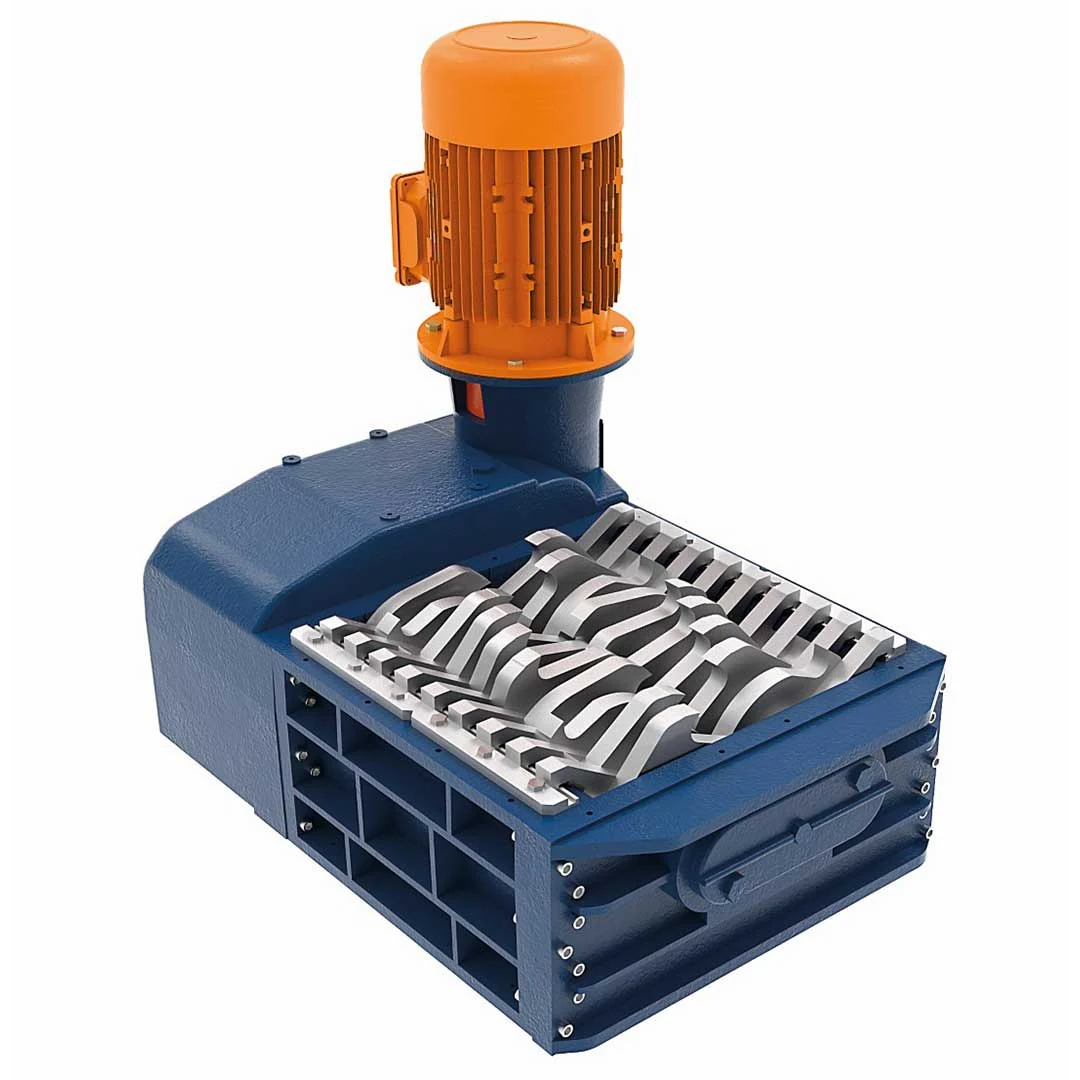
F515
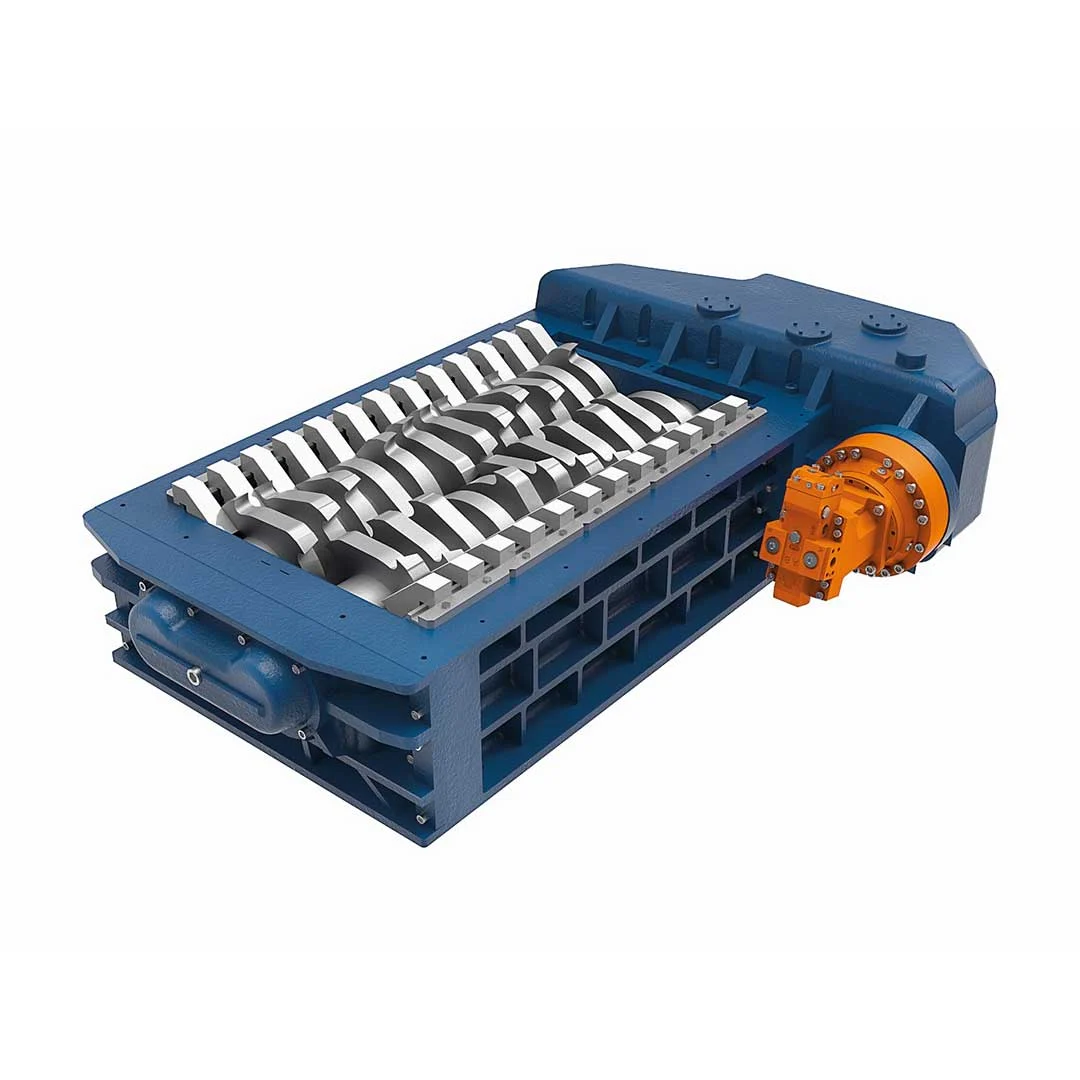
K10/50

1K28
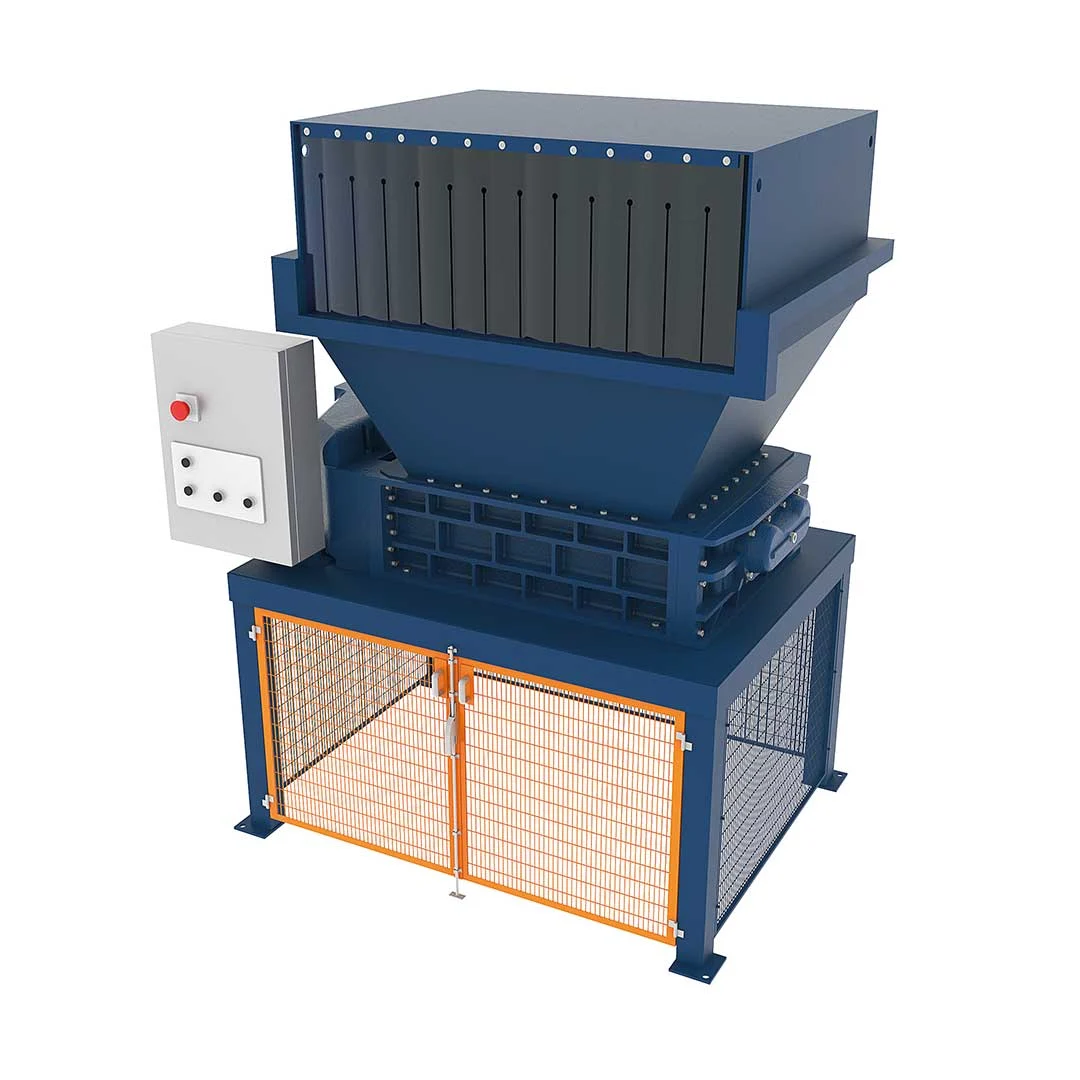
K30
Specific applications and productivity
Our solutions for plastic and rubber shredding are designed to meet specific needs in various industrial sectors. Thanks to the experience gained in over 4,000 installations worldwide, we are able to guarantee optimal performance for every type of material.
PET bottles and aluminum cans with liquid
Recommended model: F 515/2P
Approximate productivity (kg/h): approx. 4,000
Technical notes: Throughput depends on the type of loading; system includes screw for liquid/solid separation and bidirectional conveyor.
Plastic bottles, glass, and full cans
Recommended model: F 515/2P
Approximate productivity (kg/h): 4,000 – 6,000
Technical notes: Volume reduction and in-line solid/liquid separation.
IBCs and plastic drums
Recommended model: K 10/50 CL
Approximate productivity (kg/h): per project
Technical notes: 63×50 screen, inclined hopper, raised frame, occasional processing of steel drums possible.
Fiberglass-reinforced plastic up to 60%
Recommended model: 1K 28/60-30
Approximate productivity (kg/h): 200 – 400
Technical notes: Single-shaft with Ø15 mm screen and anti-wear configuration for abrasive material.
Plastic sprues and tanks
Recommended model: Dedicated K series
Approximate productivity (kg/h): per project
Technical notes: Crucial to manage shape, floating, and gripping continuity with ram and mix of blades.



The advantages of the SatrindTech approach
Choosing SatrindTech’s engineering approach for plastic and rubber shredding means obtaining concrete and measurable results:
Contact us to speak with one of our specialists. We will analyze your needs to design the tailored shredding engineering solution for you, whether you need to treat PET bottles, IBCs, plastic drums, sprues, tanks, or fiberglass-reinforced plastics.