
Shipboard waste shredding in the context of the Marpol 73/78 Annex V Directive
The context
Shipboard waste management represents a crucial aspect of maritime safety and environmental protection. Within the context of the International Convention for the Prevention of Pollution from Ships (MARPOL 73/78), Annex V focuses on the prevention of pollution by garbage from ships. This annex establishes the rules and guidelines for solid waste management and specifies the types of waste that can be disposed of at sea and those that must be retained on board until their proper disposal on land.
Here are some key considerations regarding shipboard waste management according to the MARPOL 73/78 Annex V Directive:
- Waste classification: Annex V divides waste into several categories, including plastic, food, paper, metal, glass, and special waste such as ash and cargo residues. Each type of waste has specific requirements for management and disposal, which must be clearly understood by the crew.
- Garbage Record Book obligation: Ships with a gross tonnage exceeding 400 tons must maintain a Garbage Record Book, which documents the quantity and type of waste generated, retained, and disposed of. The record must be updated regularly and kept on board for a minimum of two years.
- Onboard waste management systems: It is essential for ships to have an approved solid waste management plan, including detailed procedures for collection, separation, treatment, storage, and disposal. Furthermore, adequate containers and equipment must be available to manage waste in compliance with international standards.
- Crew training: Crew training is a key element for proper waste management. Crews must be trained on MARPOL protocols and specific procedures for shipboard waste management, including the use of waste treatment equipment.
- Innovation and technology: The adoption of innovative technologies can contribute to improving shipboard waste management. Advanced waste treatment systems, such as onboard incinerators and shredding and compaction machines, can reduce waste volume and minimize environmental impact.
- Inspections and compliance: Port authorities and international organizations conduct regular inspections to ensure compliance with the provisions of MARPOL 73/78 Annex V. Non-compliance can result in severe penalties, operational delays, and reputational damage.
- International collaboration and capacity building: Given the global nature of maritime transport, collaboration between Member States, international organizations, and industry operators is fundamental to developing capacity and sharing best practices in shipboard waste management.
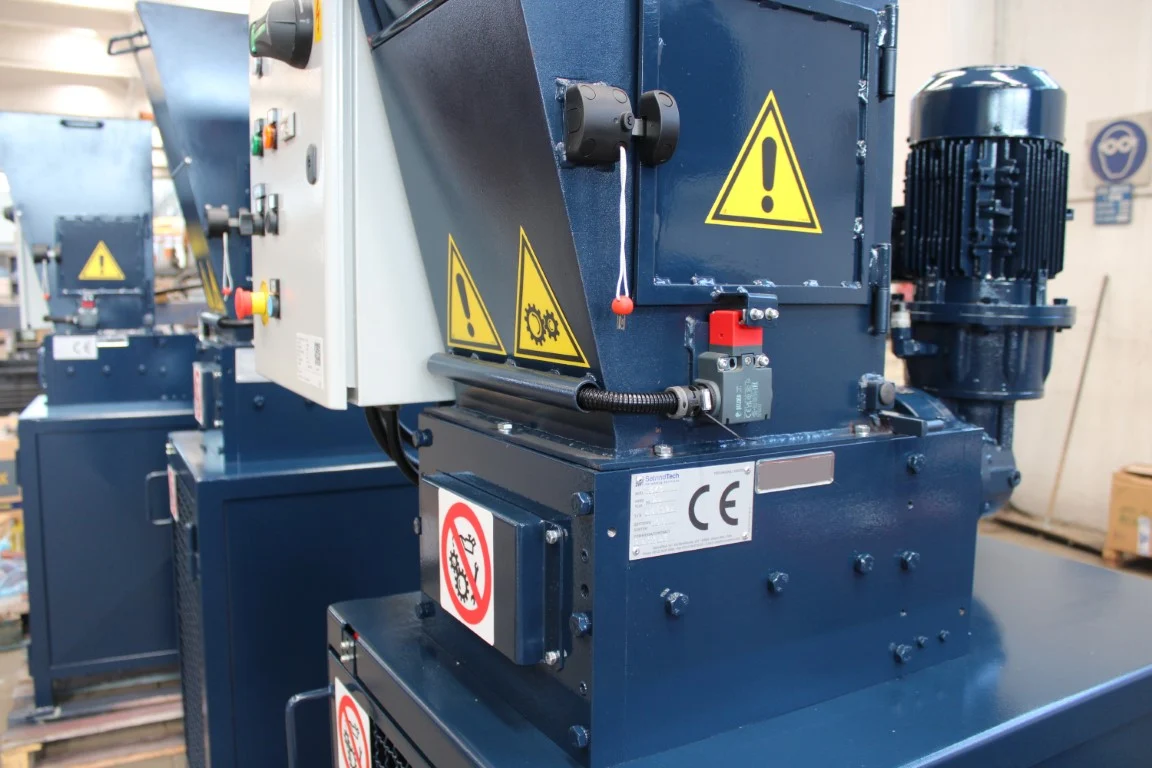
The smallest two-shaft shredder available in the SatrindTech catalog
Ideal as a shipboard waste shredding solution, the S3 series shredders, with a 3 kW electric motor, can be used in the marine sector as the S3/3 model has obtained Marpol compliance certification.
These shredders are equipped with a material selection screen with a hole diameter suitable for meeting the requirements of the Marpol Directive, according to which the discharge of waste into the sea is prohibited, except as regulated within and outside special areas, based on the size of the ground food waste.
Conclusions
Shipboard waste management according to MARPOL Annex V requires an integrated approach that combines regulatory compliance, continuous training, the adoption of advanced technologies, and strong international collaboration. This not only improves the sustainability of maritime operations but also contributes significantly to the protection of the global marine environment.
Our sales team is at your disposal to provide further information, present our wide range of industrial shredders, and support you with any waste shredding challenges.