
Food Waste Shredding
The challenge: managing the complexity of food waste shredding
Treatment and valorization of food waste represent a crucial step for logistical efficiency, operational hygiene, and process sustainability. However, shredding organic and food waste presents very different technical challenges depending on the application. It is not just about shipboard waste: food waste can come from industrial kitchens, catering, cruise ships, canteens, collection centers, agri-food processing, or mixed streams of various food waste.
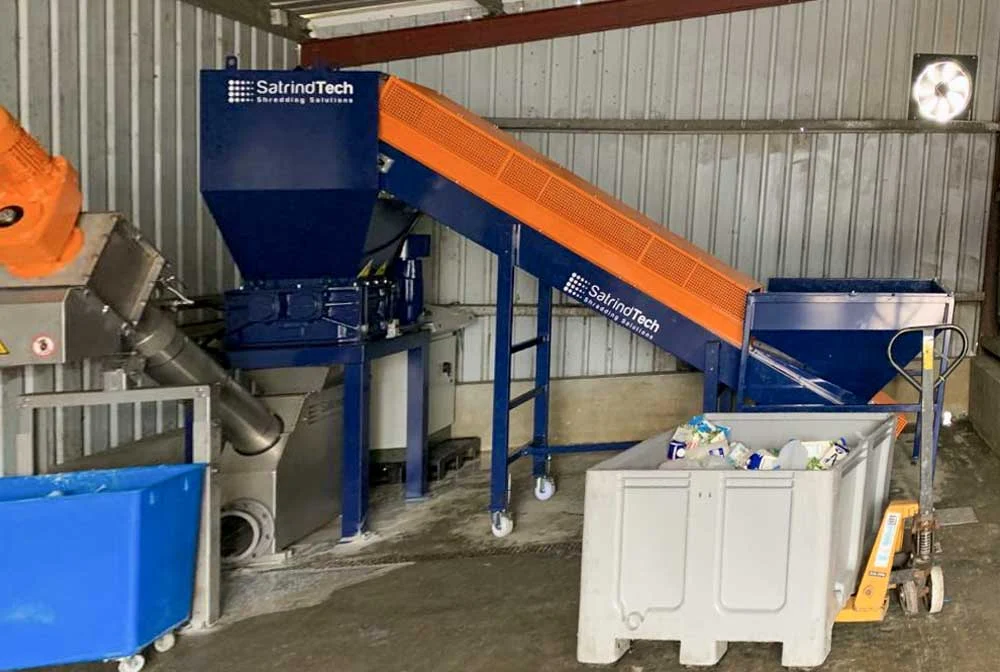
Critical Issues in Food Waste Shredding
Food waste shredding presents very different critical issues depending on the application context, required throughput, and regulatory constraints to be met.
In some areas, it is essential to obtain a well-defined final particle size, while in others the need to reduce material volume and continuously manage wet, heterogeneous, and often difficult-to-handle organic masses prevails.
The presence of residues with highly variable consistencies, high moisture content, and possible foreign elements makes the process particularly delicate.
For this reason, it is necessary to design the shredding not only based on cutting capacity, but also on feeding regularity, operational reliability, and integration with the overall treatment system.
| Specific Challenge | Consequences of a Non-Specialized Approach |
|---|---|
| High material variability (wet, fibrous, pasty, irregular) | Unstable feeding, inconsistent yield, and difficulty maintaining uniform particle size |
| Presence of regulatory constraints in the maritime sector (MARPOL) | Material not compliant with required dimensions and risk of operational non-compliance |
| Hygienic contexts and sensitive environments such as shipboard or industrial kitchens | Greater risk of stagnation, bad odors, difficult cleaning, and more frequent maintenance |
| Requirement for volume reduction on heterogeneous food streams | Inefficient transport, greater space occupation, and higher logistical costs |
| Land-based applications with mixed food waste and high throughput | Overloads, uncontrolled wear, and selection of an undersized machine |
The SatrindTech solution: shredding engineering for Food Waste
At SatrindTech, we do not provide simple shredders, but shredding engineering solutions. Our approach starts with in-depth analysis of your specific application. Whether it involves shipboard food waste, catering waste, centralized kitchens, organic waste from processing, or various food waste from land-based facilities, our technical specialists work with you to understand material consistency, output objectives, regulatory requirements, available space, and discharge methods.
This consultancy process allows us to design a customized solution, which may include:
Our machines are built to be robust and long-lasting, ensuring reliability and low total cost of ownership even in applications where food waste is continuous, wet, and difficult to manage from a logistical and sanitary standpoint.

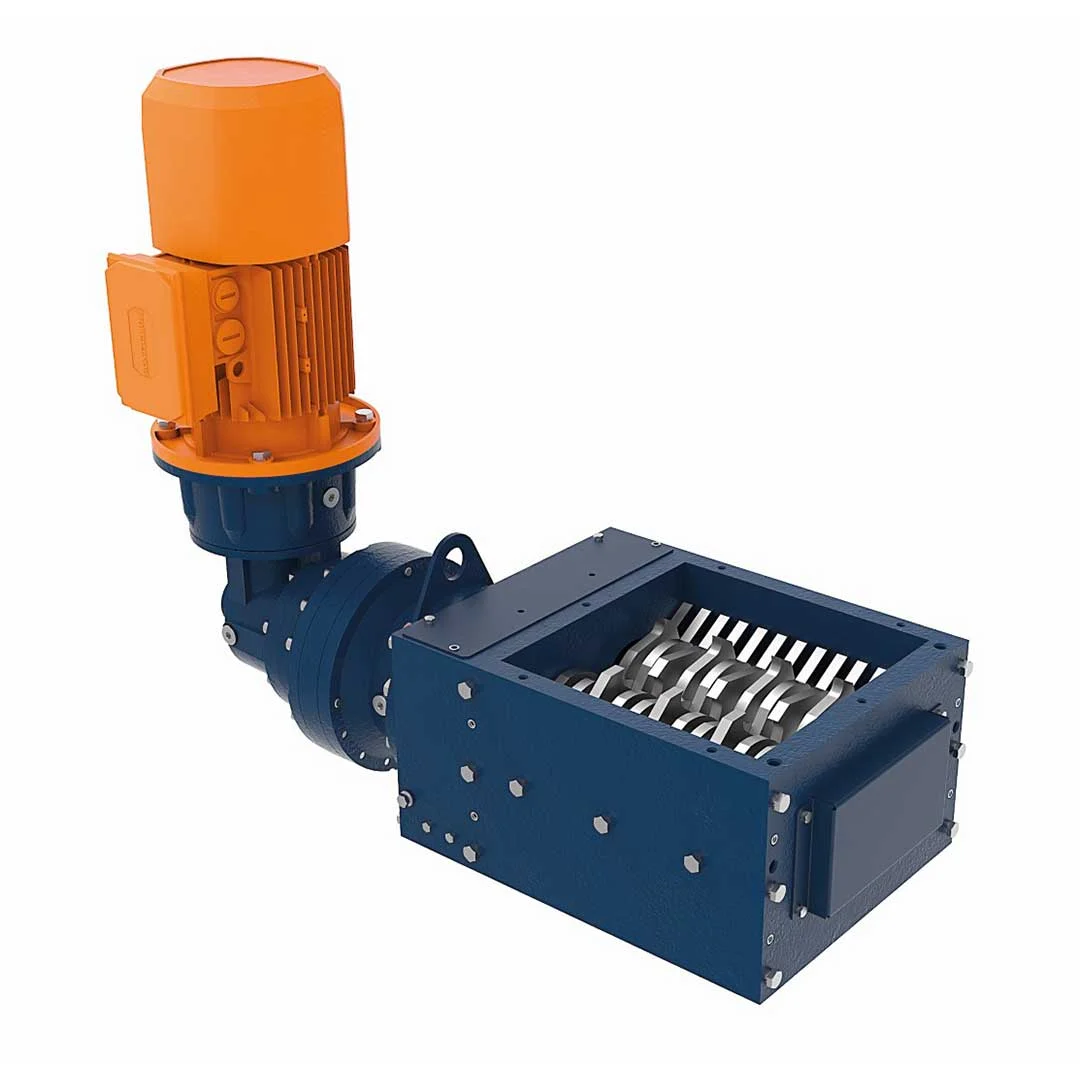
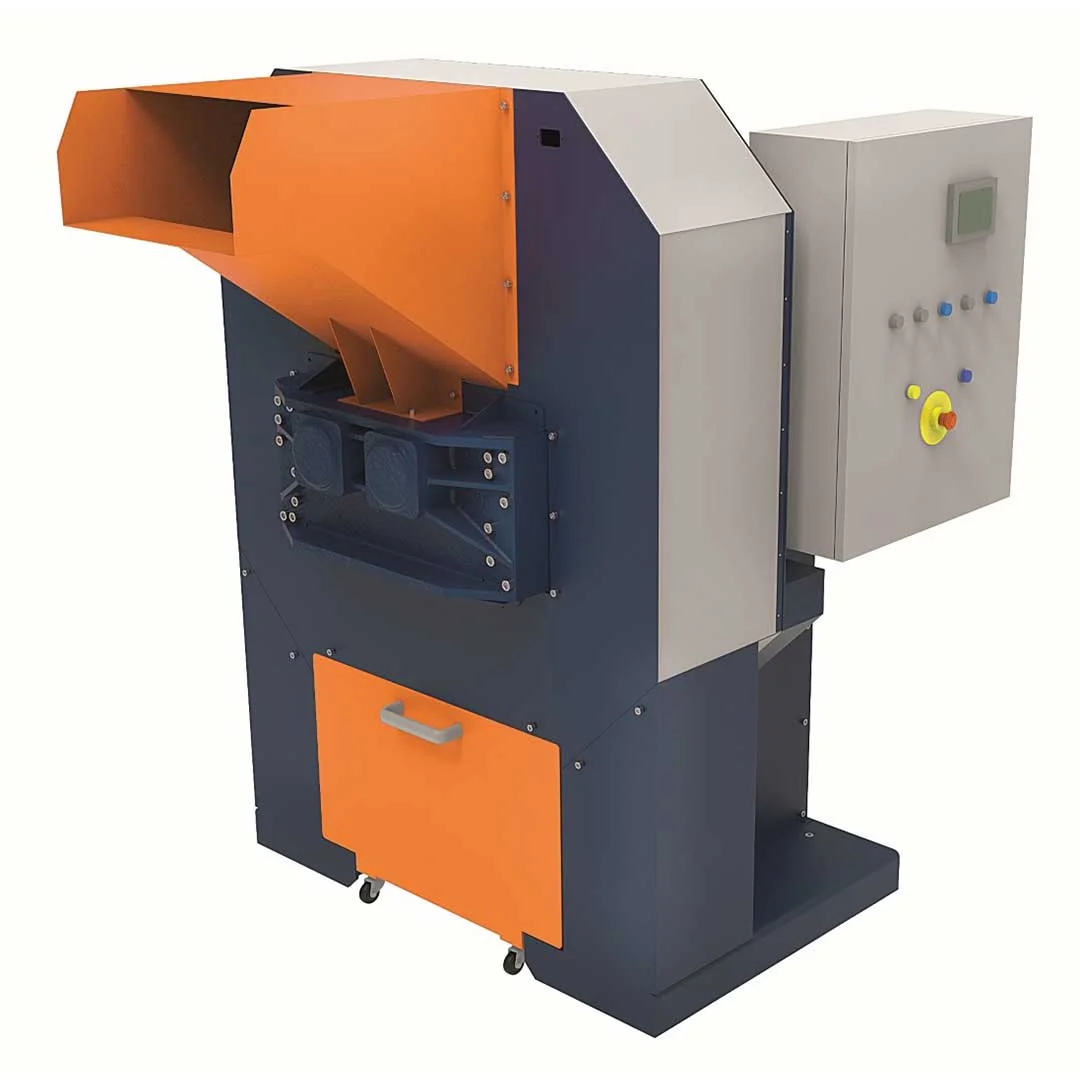
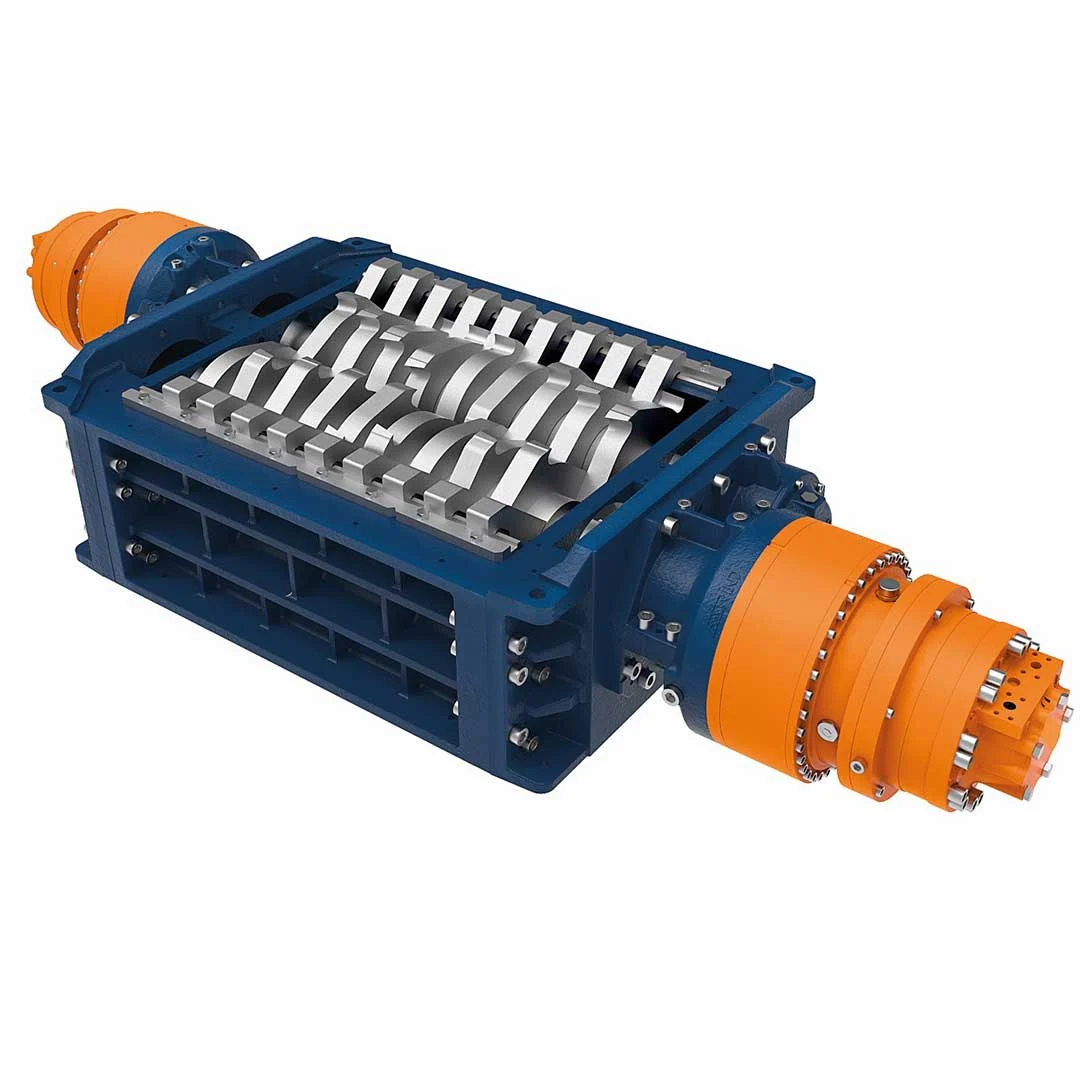
Thanks to over 40 years of experience, we have developed specific configurations for every need. Below are some of the most suitable models for food waste shredding:
Specific applications and productivity
Our solutions for food waste shredding are designed to meet specific needs in very different contexts. Thanks to the experience gained in the maritime, catering, and land-based facility sectors, we are able to configure the most suitable machine based on the material, required compliance level, and waste management method.
Shipboard food waste with MARPOL requirement
Recommended model: S3/3N
Indicative productivity (kg/h): up to 100
Technical notes: Irregular material, 1-inch output, MARPOL certification.
MARPOL compliant food waste
Recommended model: F410/360/N
Indicative productivity (kg/h): 450 – 500
Technical notes: Output <25 mm; shipboard application in EN quotations for Spain, Norway, Singapore, Germany, and the Philippines.
Food waste for cruise ships
Recommended model: F410/360
Indicative productivity (kg/h): custom design
Technical notes: Volume reduction, special frame and hopper, 24 blades 15 mm thick with 14 teeth, 7.5 kW 440V 60 Hz motor.
Land-based food waste
Recommended model: F 410/420/2P
Indicative productivity (kg/h): custom design
Technical notes: Industrial shredder for food waste with volume reduction.
Various food waste
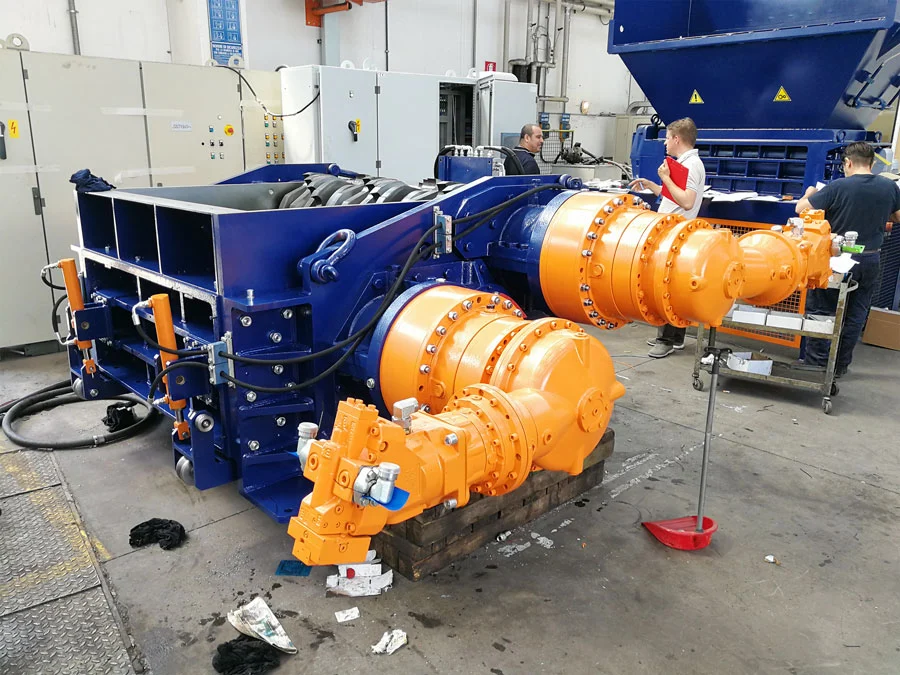
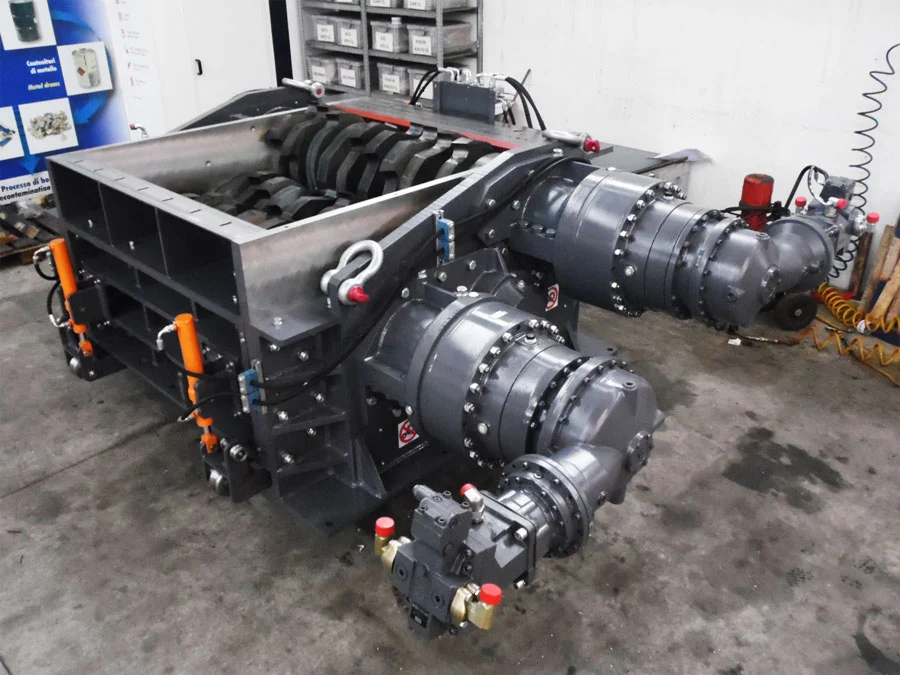
Recommended model: 2R 15/75 / T20/200
Indicative productivity (kg/h): custom design
Technical notes: More demanding applications with dedicated plant logic and hydraulic transmission.
The advantages of the SatrindTech approach
Choosing SatrindTech’s engineering approach for food waste shredding means obtaining concrete and measurable results:
Contact us to speak with one of our specialists. We will analyze your needs to design a customized shredding engineering solution for you, whether you need to treat MARPOL-compliant shipboard food waste, catering waste, process organic waste, or various food waste in land-based applications.